Getting started on an eco friendly lifestyle with a blender is a powerful change you can make in your kitchen, significantly reducing food waste and over-packaging. This versatile appliance helps transform ingredients past their prime into new creations, minimizes packaging by enabling homemade staples, and encourages the consumption of whole foods, all contributing to a greener, healthier home.
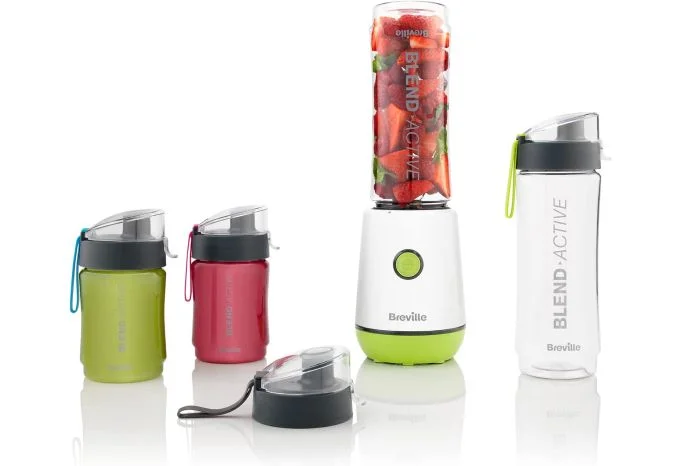
What Does an Eco-Friendly Lifestyle with a Blender Truly Mean?
An eco-friendly lifestyle with a blender is all about using this versatile tool to make conscious choices that reduce your environmental footprint. It’s about shifting from a consumer of pre-packaged goods to a creator of fresh, whole-food alternatives, drastically cutting down on single-use plastics and food waste in the process.
At its core, it means you’re using your blender to:
- Minimize food waste by transforming ingredients that are past their prime into delicious new creations.
- Reduce packaging waste by making staples like nut milks, sauces, and dips from scratch.
- Consume less energy by opting for a smaller, more efficient personal blender over a large, power-hungry appliance for daily tasks.
- Embrace whole foods, which are often less processed and have a smaller carbon footprint than their packaged counterparts.
It’s a simple but profound shift. Instead of tossing that slightly wilted spinach, you blend it into a green smoothie. Instead of buying a plastic carton of almond milk, you make your own with just almonds and water. It’s about resourcefulness, creativity, and empowerment in your own kitchen.
Beyond the Smoothie: How Blenders Champion the War on Food Waste
Let’s get real for a second. How often have you found a bag of slightly sad-looking kale or a few browning bananas in your fridge and guiltily thrown them away? It happens to the best of us. This is where your personal blender becomes a kitchen hero.
A blender is the ultimate tool for giving “imperfect” produce a second chance. Its powerful blades don’t care about a few bruises or wilts; they transform potential waste into pure potential.
Creative Ways to Rescue Food with Your Blender
- Wilting Greens & Herbs: That spinach, kale, or cilantro that’s lost its crispness? Blend it into a vibrant pesto, a green smoothie, a savory sauce for pasta, or even a base for a hearty soup.
- Overripe Fruits: Those spotty bananas are a goldmine for flavor. Blend them into “nice cream,” pancake batter, or a naturally sweet smoothie. Soft peaches, berries, or mangoes are perfect for creating fruit coulis to top yogurt or desserts.
- Leftover Cooked Vegetables: Have some steamed broccoli or roasted carrots from last night’s dinner? Blend them with a bit of broth, garlic, and seasoning for an instant, creamy vegetable soup.
- Stale Bread: Don’t toss it! Whiz dry bread chunks in your blender to make homemade breadcrumbs in seconds. Store them in an airtight container for later use.
- Citrus Peels: After squeezing a lemon or orange, you can (if organic and well-washed) dehydrate the peels and grind them into a flavorful citrus powder to add a zesty kick to recipes.
“A personal blender is a major upgrade for my clients. It makes nutrient-dense food accessible and dramatically reduces the mental barrier to using up leftover produce. When you can turn wilting greens into a delicious sauce in 60 seconds, you’re far less likely to let them go to waste.” – Dr. Alana Chen, Registered Dietitian and Sustainability Advocate.
Choosing Your Partner: Essential Features for an Eco-Conscious Blender
Not all blenders are created equal, especially when you’re focusing on an eco friendly lifestyle with a blender. When you’re ready to invest, you want a machine that is not only effective but also aligned with your values.
A truly eco-conscious blender is one that is built to last, performs efficiently, and uses safe, durable materials.
Your Eco-Friendly Blender Checklist:
|
Our Picks for the Best Personal Blender in 2026
As an Amazon Associate, we earn from qualifying purchases.
|
||
| Num | Product | Action |
|---|---|---|
| 1 | KOIOS Smoothie Blender, 900W Personal Blender for Shakes and Smoothies for Kitchen with 2 No-BPA 22oz Portable Cups, Single Serve Smoothies Maker Mixer for Juices, Nutritious Recipe (Grey Blue) |

|
| 2 | Hamilton Beach Portable Blender for Shakes and Smoothies, 14 Oz BPA Free Travel Cup & Lid, Durable Stainless Steel Blades, Personal Smoothie Blender, White ( 51101V) |
|
| 3 | Mueller Smoothie Blender for Smoothies - Personal Blender for Shakes, Frozen Drinks, Baby Food & More, 15oz Travel Cup and Lid, Durable Stainless Steel Blades for Powerful Blending Performance |
|
| 4 | Ninja Blenders for Kitchen | Smoothie Blender, Mixer, Grinder - Premium Blending Performance for Sauces, Frozen Drinks, and More | 1200 Peak Watt Motor | SS101 Foodi Personal Smoothie Maker |
|
| 5 | Consciot CB08 11-Piece Blender for Kitchen and Personal Size, Blend Shakes and Smoothies, Frozen Drinks, Baby Food, Spreads & More, 3 Portable To-Go Cups & 2 Spout Lids & 1 Solid Lid, 900 Peak Watts |
|
| 6 | Ninja BL660 Professional Compact Smoothie & Food Processing Blender, 1100-Watts, 3 Functions -for Frozen Drinks, Smoothies, Sauces, & More, 72-oz.* Pitcher, (2) 16-oz. To-Go Cups & Spout Lids, Gray |
|
| 7 | Ninja BC151BK Blast Portable Blender, Cordless, 18oz. Vessel, Personal Blender-for Shakes & Smoothies, BPA Free, Leakproof-Lid & Sip Spout, USB-C Rechargeable, Dishwasher Safe Parts, Black |
|
| 8 | nutribullet Personal Blender, Shakes, Smoothies, Food Prep, and Frozen Blending, 24 Ounces, 600 Watt, Gray, NBR-0601WM |
|
| 9 | BELLA Personal Size Rocket Blender for Smoothies and Protein Shakes, Portable Juice Maker and Mini Food Processor and Grinder, 12 Piece, BPA Free Accessories, 240 W, Stainless Steel |
|
| 10 | Ninja | Blender | Nutri Pro | Single Serve | For Smoothies, Salsa, Shakes and Frozen Drinks | Includes 2 Smoothie Cups & Lids | Crushes Ice, Fruit & Veggies |Silver | BN401 |
|
- Energy Efficiency: Look for a motor that’s powerful enough for your needs without being an energy hog. For most personal blending tasks (smoothies, sauces, dressings), a motor between 600-1000 watts is the sweet spot of power and efficiency. Anything more is often overkill for single-serve portions.
- Durable Materials: The longer your blender lasts, the less waste ends up in a landfill.
- Base: A sturdy base with a well-ventilated motor is crucial for longevity.
- Blades: Look for high-quality, stainless steel blades that resist rust and stay sharp.
- Jars/Cups: Opt for BPA-free Tritan plastic, which is shatter-resistant and durable, or glass, which is infinitely recyclable and doesn’t retain odors or stains.
- Repairability and Warranty: Does the brand offer replacement parts like gaskets or blades? A strong warranty is a good sign that the company stands behind the durability of its product. A blender you can repair is infinitely more sustainable than one you have to throw away.
- The Right Size: A huge, family-sized blender that you only use for a single smoothie is inefficient. A personal blender is perfectly portioned, ensuring you use less energy and are less tempted to make more than you need, which can lead to waste.
Personal Blender vs. Traditional Blender: The Sustainability Showdown
So, you might be wondering, “I already have a big blender. Why do I need a personal one?” While traditional blenders are great for big batches, personal blenders win out in several key areas of sustainability for daily use. Let’s break it down.
| Feature | Personal Blender | Traditional Blender |
|---|---|---|
| Energy Consumption | Lower wattage motor uses significantly less electricity per blend. | Higher wattage motor requires more power, even for small tasks. |
| Portion Control | Designed for single servings, reducing food waste from leftovers. | Large pitcher encourages making big batches that may not be finished. |
| Cleaning | Fewer parts, easier to clean with less water and soap. | Bulky pitcher and complex base can be water and time-intensive to clean. |
| Material Footprint | Smaller size means fewer raw materials used in its production. | Larger size requires more plastic, glass, and metal to manufacture. |
For the daily grind—your morning smoothie, a quick salad dressing, or grinding spices—a personal blender is simply the more efficient and eco-conscious choice.
Tips for Cleaning and Maintaining Your Personal Blender
Extending the life of your appliance is a cornerstone of sustainability. A well-cared-for blender can serve you for years. Following these simple steps will keep your machine in peak condition and ensure you’re embracing a fully eco friendly lifestyle with your blender.
- The 30-Second Clean: As soon as you’re done blending, rinse the cup and blade assembly. Then, fill the cup halfway with warm water, add a drop of dish soap, secure the blades, and blend for 20-30 seconds. Rinse again, and you’re done. This prevents anything from drying and sticking.
- The Deep Clean: For a more thorough clean once a week, use a mixture of white vinegar and water or a paste of baking soda and water. Let it sit in the cup for 10-15 minutes before doing the soap-and-water blend trick. This helps eliminate odors and break down any buildup.
- Check the Gasket: The rubber ring (gasket) on the blade assembly is a magnet for grime. Pop it out carefully with a butter knife and wash it by hand regularly to prevent mold and leaks. Make sure it’s completely dry before putting it back.
- Wipe the Base: Never submerge the motor base in water. Simply wipe it down with a damp cloth to keep it clean.
- Store it Smart: Store your blending cups with the lids off to allow them to air out completely, preventing musty smells.
Frequently Asked Questions
How can a blender help me reduce plastic use?
By making your own staples like almond milk, oat milk, hummus, salad dressings, and pasta sauces, you eliminate the need to buy these items in plastic bottles, jars, and cartons. Each homemade item is one less piece of single-use packaging.
What is the most energy-efficient type of blender?
Personal blenders are generally the most energy-efficient for daily, single-serving tasks. Their smaller motors are optimized for these jobs and consume far less electricity than a high-powered, large-capacity traditional blender.
Are glass blender jars better for the environment?
Glass jars are an excellent eco-friendly choice. Glass is non-porous (so it won’t absorb smells or stains), infinitely recyclable, and contains no chemicals like BPA. However, high-quality, durable BPA-free Tritan is also a great, long-lasting option that is lighter and shatter-proof.
Can I blend hot liquids in my personal blender?
This depends entirely on the model. Many personal blenders are not designed for hot liquids as the steam can build up pressure and create a safety hazard. Always check your manufacturer’s instructions. If it’s not approved for hot liquids, let soups and sauces cool to room temperature before blending.
What else can I make besides food to live a more eco friendly lifestyle with a blender?
You can use a dedicated blender jar (to avoid cross-contamination) to make simple, natural cleaning products or personal care items. Think blended oatmeal for a soothing bath soak or a simple sugar scrub with coconut oil.
Your Blender: A Small Appliance with a Big Impact
Embracing an eco friendly lifestyle with a blender isn’t about being perfect; it’s about making small, impactful changes that add up. Your personal blender is more than just a convenience; it’s a powerful tool for creativity, health, and sustainability. It empowers you to fight food waste, slash your reliance on plastic packaging, and take control of the ingredients you consume.
So next time you look at that compact machine on your counter, see it for what it truly is: a partner in your journey toward a healthier you and a healthier planet. What will you create today?
Frequently Asked Questions
How can a blender help me reduce plastic use?
By making your own staples like almond milk, oat milk, hummus, salad dressings, and pasta sauces, you eliminate the need to buy these items in plastic bottles, jars, and cartons. Each homemade item is one less piece of single-use packaging, contributing to a significant reduction in household plastic waste.
What is the most energy-efficient type of blender?
Personal blenders are generally the most energy-efficient for daily, single-serving tasks. Their smaller motors, typically between 600-1000 watts, are optimized for these jobs and consume far less electricity than a high-powered, large-capacity traditional blender, making them ideal for eco-conscious users.
Are glass blender jars better for the environment?
Glass jars are an excellent eco-friendly choice because glass is non-porous, infinitely recyclable, and contains no chemicals like BPA. However, high-quality, durable BPA-free Tritan plastic is also a great, long-lasting option that is lighter and shatter-proof, offering a sustainable alternative.
Can I blend hot liquids in my personal blender?
This depends entirely on the specific blender model. Many personal blenders are not designed for hot liquids as the steam can build up pressure and create a safety hazard. Always check your manufacturer's instructions; if not approved, let soups and sauces cool to room temperature before blending.
What else can I make besides food to live a more eco-friendly lifestyle?
You can use a dedicated blender jar (to avoid cross-contamination with food) to make simple, natural cleaning products or personal care items. Examples include blended oatmeal for a soothing bath soak or a simple sugar scrub made with coconut oil, reducing your reliance on store-bought products.
Clean and Maintain Your Personal Blender
Extend the life of your personal blender and ensure it remains a sustainable kitchen tool by following these simple cleaning and maintenance steps.
Immediately after blending, rinse the cup and blade assembly. Fill the cup halfway with warm water, add a drop of dish soap, secure the blades, and blend for 20-30 seconds. Rinse again thoroughly to prevent food from drying and sticking.
Once a week, for a more thorough clean, use a mixture of white vinegar and water or a paste of baking soda and water. Let this solution sit in the cup for 10-15 minutes before performing the soap-and-water blend trick. This helps eliminate odors and break down any stubborn buildup.
The rubber ring (gasket) on the blade assembly can accumulate grime. Carefully pop it out with a butter knife and wash it by hand regularly to prevent mold and leaks. Ensure the gasket is completely dry before reinserting it into the blade assembly.
Never submerge the motor base in water, as this can damage the electrical components. Instead, simply wipe it down with a damp cloth to keep it clean and free of spills or debris.
To prevent musty smells and ensure proper air circulation, store your blending cups with the lids off. This allows them to air out completely between uses, maintaining freshness and hygiene.
Get our weekly buyer guide
Practical specs, not advice. Unsubscribe anytime.
I got a compact blender a few months ago, mainly for protein shakes, but I’ve started using it for so much more after reading about eco-friendly uses. Making my own nut milks has been a game-changer for cutting down on cartons. It’s a bit more effort than just buying them, but knowing I’m reducing packaging makes it worth it.
This is so true! I’ve been on an eco-friendly journey for a while, and my blender is my most-used appliance. I love how it helps me use up ingredients that are past their prime instead of tossing them. It’s amazing how many delicious things you can make from what would otherwise be food waste. Highly recommend embracing this mindset!
I’ve been trying to reduce my food waste for ages, and this really opened my eyes to how much a blender can help. I used to throw out so many slightly-too-ripe fruits, but now they all go into smoothies or sauces. It’s such a simple change but makes a huge difference in my kitchen. My compost bin is definitely less full!
I appreciate the idea of using a blender for an eco-friendly lifestyle, especially for making homemade staples. I tried making my own hummus to avoid plastic tubs, but my blender really struggled with the chickpeas. It’s a good concept, but I think I might need a more powerful model for some of these recipes.