Embracing a low-carb lifestyle is significantly easier with the right tools, and a personal blender is an essential appliance for preparing quick, delicious, and satisfying low-carb meals. These compact blenders simplify portion control, maximize nutrient extraction from ingredients, and fit seamlessly into a busy schedule, transforming meal prep from a chore into a daily delight.
Why a Personal Blender is Your Secret Weapon for Low Carb Living
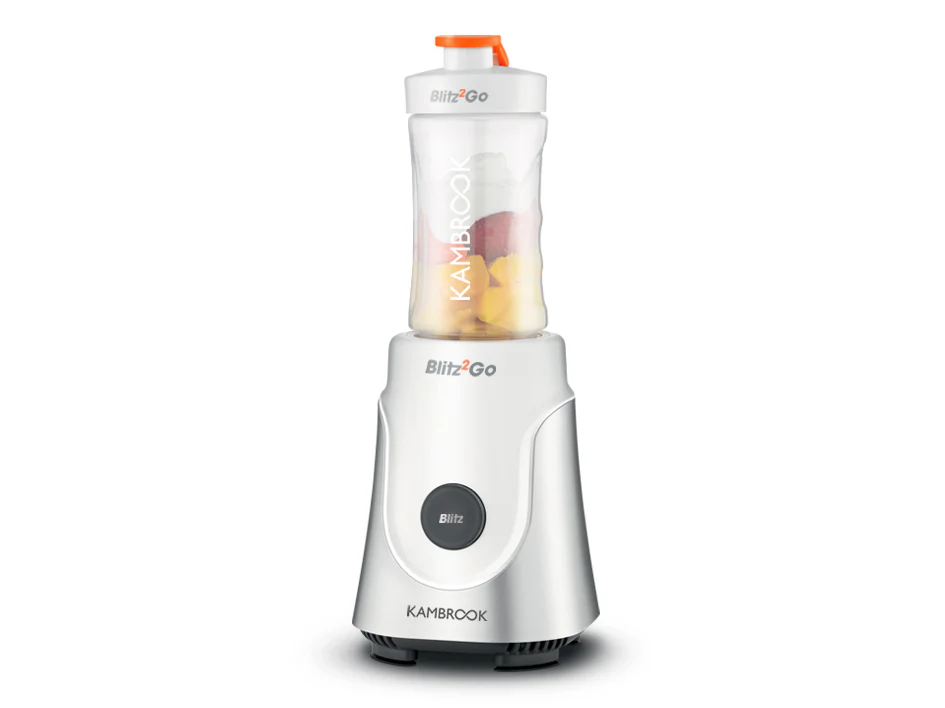
So, what exactly is a personal blender, and why is it the perfect sidekick for anyone on a low-carb or keto diet? Simply put, a personal blender is a compact, single-serving blender designed for speed and convenience. Unlike its bulky kitchen-counter cousins, its blending container doubles as a to-go cup. You just blend, swap the blade for a travel lid, and you’re out the door. For shop curated personal on this site.
This design is a godsend for low-carb enthusiasts. Portion control, which is crucial for managing carbs and macros, is built right in. There’s no guesswork or temptation to over-pour from a massive pitcher. It’s for the busy professional who needs a quick keto coffee before a morning meeting, the gym-goer who wants a protein-packed recovery shake, and anyone who values their time but refuses to compromise on their health.
Key Benefits of Using a Personal Blender for Low Carb Diets
Switching to a personal blender for your low-carb creations isn’t just about convenience; it’s about making your healthy lifestyle more sustainable. Think of it as the ultimate “life hack” for your diet.
- Effortless Portion Control: The single-serving cups make it incredibly easy to manage your macros. You know exactly how much avocado, protein powder, or berries you’re using, which is essential for staying in ketosis or hitting your carb goals.
- Time-Saving Champion: Forget chopping, dicing, and spending ages on cleanup. You can whip up a nutrient-dense meal or snack in under two minutes. More time for you, less time in the kitchen.
- Nutrient Extraction Power: A quality personal blender pulverizes nuts, seeds, and leafy greens, breaking down cell walls to unlock the maximum amount of vitamins and minerals. This means you’re getting more nutritional bang for your buck from your low-carb ingredients.
- Reduces Food Waste: Got half an avocado or a handful of spinach about to go bad? Toss it into the blender for a quick green smoothie. It’s an amazing way to use up produce and save money.
Essential Blender Features for Perfect Low Carb Recipes
Not all personal blenders are created equal, especially when you’re dealing with tough, low-carb ingredients like nuts, seeds, and fibrous veggies. What should you look for when choosing the best tool for your low carb blender recipes?
- Motor Power (Watts): This is the engine of your blender. For creamy smoothies with nuts or frozen berries, look for a motor with at least 300-600 watts. Anything more powerful, around 900 watts, is fantastic for turning cashews into cream or pulverizing flax seeds.
- Blade Design and Material: The best blades are made from high-quality, durable stainless steel. Look for a multi-pronged blade design (often with 4 or 6 prongs) that creates a vortex, pulling ingredients down for a consistently smooth blend without any chunks.
- BPA-Free and Durable Cups: Your health is the priority. Ensure the blending cups are made from BPA-free, shatter-resistant material like Tritan. This ensures no harmful chemicals leach into your food and the cup can handle the rigors of daily use.
- Ease of Cleaning: Let’s face it, if it’s a pain to clean, you won’t use it. Look for models with dishwasher-safe cups and lids. A simple blade assembly that you can rinse quickly under the tap is also a huge plus.
Personal Blender vs. Traditional Blender: Which is Better for Low Carb Recipes?
Ever stood in the appliance aisle wondering if you really need that giant, multi-speed blender? For a low-carb lifestyle, the nimble personal blender often wins the day. The choice depends entirely on your needs.
A traditional blender is great for making large batches of soup or smoothies for the whole family. However, for the individual focused on a low-carb diet, its large size can be a disadvantage, making portion control tricky and cleanup a chore. The personal blender is built for the “grab-and-go” mentality that fits a modern, active lifestyle.
“I always recommend a personal blender to my clients starting a low-carb or keto diet. It removes the friction of meal prep. When making a healthy choice is as easy as blending for 60 seconds, you’re far more likely to stick with it.” – Dr. Alistair Finch, Nutritionist
Here’s a quick breakdown:
| Feature | Personal Blender | Traditional Blender |
|---|---|---|
| Best For | Single servings, quick meals, on-the-go | Large batches, families, complex recipes |
| Portion Control | Excellent, built-in | Requires measuring, easy to overmake |
| Footprint | Small, fits any kitchen | Bulky, requires significant counter space |
| Cleanup | Fast and easy (often 1 cup, 1 blade) | More components to wash (pitcher, lid, tamper) |
| Portability | High (blend-and-go cup) | Low (heavy and cumbersome) |
Beyond the Smoothie: Creative Low Carb Blender Recipes
This is where the fun really begins. Your personal blender is so much more than a smoothie-maker. It’s your key to unlocking a universe of easy low carb blender recipes.
The Ultimate Keto Green Smoothie
|
Our Picks for the Best Personal Blender in 2026
As an Amazon Associate, we earn from qualifying purchases.
|
||
| Num | Product | Action |
|---|---|---|
| 1 | Hamilton Beach Portable Blender for Shakes and Smoothies, 14 Oz BPA Free Travel Cup & Lid, Durable Stainless Steel Blades, Personal Smoothie Blender, White ( 51101V) |

|
| 2 | Consciot CB08 11-Piece Blender for Kitchen and Personal Size, Blend Shakes and Smoothies, Frozen Drinks, Baby Food, Spreads & More, 3 Portable To-Go Cups & 2 Spout Lids & 1 Solid Lid, 900 Peak Watts |
|
| 3 | KOIOS Smoothie Blender, 900W Personal Blender for Shakes and Smoothies for Kitchen with 2 No-BPA 22oz Portable Cups, Single Serve Smoothies Maker Mixer for Juices, Nutritious Recipe (Grey Blue) |
|
| 4 | Ninja Blenders for Kitchen | Smoothie Blender, Mixer, Grinder - Premium Blending Performance for Sauces, Frozen Drinks, and More | 1200 Peak Watt Motor | SS101 Foodi Personal Smoothie Maker |
|
| 5 | Ninja | Blender | Nutri Pro | Single Serve | For Smoothies, Salsa, Shakes and Frozen Drinks | Includes 2 Smoothie Cups & Lids | Crushes Ice, Fruit & Veggies |Silver | BN401 |
|
| 6 | Ninja BC151BK Blast Portable Blender, Cordless, 18oz. Vessel, Personal Blender-for Shakes & Smoothies, BPA Free, Leakproof-Lid & Sip Spout, USB-C Rechargeable, Dishwasher Safe Parts, Black |
|
| 7 | Mueller Smoothie Blender for Smoothies - Personal Blender for Shakes, Frozen Drinks, Baby Food & More, 15oz Travel Cup and Lid, Durable Stainless Steel Blades for Powerful Blending Performance |
|
| 8 | nutribullet Personal Blender, Shakes, Smoothies, Food Prep, and Frozen Blending, 24 Ounces, 600 Watt, Gray, NBR-0601WM |
|
| 9 | BELLA Personal Size Rocket Blender for Smoothies and Protein Shakes, Portable Juice Maker and Mini Food Processor and Grinder, 12 Piece, BPA Free Accessories, 240 W, Stainless Steel |
|
| 10 | Ninja BL660 Professional Compact Smoothie & Food Processing Blender, 1100-Watts, 3 Functions -for Frozen Drinks, Smoothies, Sauces, & More, 72-oz.* Pitcher, (2) 16-oz. To-Go Cups & Spout Lids, Gray |
|
This isn’t your average sugar-laden fruit smoothie. It’s a creamy, nutrient-packed meal that will keep you full for hours.
- Ingredients: 1 cup unsweetened almond milk, 1 large handful of spinach, 1/4 avocado, 1 scoop of vanilla protein powder (low-carb), 1 tablespoon of chia seeds, a few ice cubes.
- Directions: Add all ingredients to your personal blender cup, with the liquid first. Blend until perfectly smooth, about 45-60 seconds.
5-Minute Creamy Avocado Dressing
Ditch the store-bought dressings with hidden sugars. This one is rich, tangy, and perfect for salads or as a dip for veggies.
- Ingredients: 1 ripe avocado, 1/4 cup olive oil, 2 tablespoons lemon juice, 1 clove garlic, salt, and pepper to taste. A splash of water to thin if needed.
- Directions: Combine all ingredients in your blender cup. Blend until completely creamy. If it’s too thick, add water one teaspoon at a time until you reach your desired consistency.
Bulletproof-Style Coffee
Improve your morning coffee to a frothy, brain-boosting delight that crushes cravings.
- Ingredients: 1 cup of hot brewed coffee, 1 tablespoon of grass-fed butter or ghee, 1 tablespoon of MCT oil.
- Directions: Carefully pour the hot coffee into your blender cup (ensure your model is rated for hot liquids). Add the butter and MCT oil. Blend for about 20-30 seconds until a beautiful, creamy foam forms on top.
Tips for Cleaning and Maintaining Your Personal Blender
Keeping your blender in top shape is easy and ensures it performs perfectly every time. A clean machine is a happy machine!
- The 30-Second Clean: As soon as you’re done blending, rinse the cup and blade under warm water. Then, fill the cup halfway with warm water, add a drop of dish soap, and put it back on the blender base.
- Blend It Clean: Pulse for 10-15 seconds. The soapy water will get into all the nooks and crannies of the blade assembly.
- Rinse and Dry: Pour out the soapy water, give the cup and blade a final rinse, and let them air dry. That’s it!
- Deep Clean: For any stubborn residue, use a bottle brush to scrub the inside of the cup. Most cups are also top-rack dishwasher safe for a weekly deep clean. Never submerge the motor base in water.
Frequently Asked Questions (FAQ)
What are the best low-carb liquids for blender recipes?
Unsweetened almond milk, coconut milk (from a carton), water, and cooled green tea are excellent low-carb liquid bases. They add creaminess or hydration without the sugar of regular milk or fruit juices.
Can I put hot liquids in my personal blender?
It depends on the model. Some personal blenders, especially those with glass or high-grade thermal-resistant plastic cups, are designed to handle hot liquids for soups or bulletproof coffee. Always check your user manual first to avoid damage or injury.
How do I get a creamy texture without using bananas?
Avocado is the number one secret for a thick, creamy, low-carb smoothie. Other great options include a spoonful of nut butter, chia seeds or flax seeds (which thicken when blended), or a bit of full-fat coconut cream.
Can my personal blender handle nuts and seeds?
Most modern personal blenders with a decent motor (300 watts or more) can easily pulverize nuts and seeds like almonds, walnuts, chia, and flax. This is key for many low carb blender recipes that rely on these ingredients for healthy fats and fiber.
What’s the best way to blend leafy greens without getting chunks?
The trick is to blend in stages. Add your leafy greens (like spinach or kale) and your liquid base to the cup first. Blend them together until smooth, and then add your other ingredients like protein powder, avocado, and ice. This ensures a silky-smooth result every time.
Your Journey to Effortless Low-Carb Living Starts Here
Embracing a low-carb lifestyle is a commitment to your health, and having the right tools makes all the difference. A personal blender isn’t just an appliance; it’s a partner that empowers you to create delicious, healthy meals in minutes. It simplifies portion control, maximizes nutrition, and fits seamlessly into your busy schedule.
From a morning keto coffee to a post-workout protein shake or a creamy salad dressing, the possibilities are endless. Stop thinking of your diet as a limitation and start seeing it as an opportunity for delicious creativity. Investing in a quality personal blender is an investment in your health, time, and culinary enjoyment, making your journey with low carb blender recipes easier and more delicious than ever before.
Frequently Asked Questions
What are the best low-carb liquids for blender recipes?
Excellent low-carb liquid bases include unsweetened almond milk, coconut milk (from a carton), water, and cooled green tea. These options provide creaminess or hydration without the added sugar found in regular milk or fruit juices, supporting your low-carb goals.
Can I put hot liquids in my personal blender?
Whether you can blend hot liquids depends on your specific personal blender model. Some blenders, particularly those with glass or high-grade thermal-resistant plastic cups, are designed to handle hot ingredients for items like soups or bulletproof coffee. Always consult your user manual to prevent damage or injury.
How do I get a creamy texture in low-carb smoothies without using bananas?
To achieve a thick, creamy texture in low-carb smoothies without bananas, incorporate ingredients like 1/4 avocado, a spoonful of nut butter, or chia seeds/flax seeds, which thicken when blended. A bit of full-fat coconut cream can also add richness and creaminess.
Can personal blenders effectively handle nuts and seeds?
Most modern personal blenders equipped with a motor of 300 watts or more can easily pulverize nuts and seeds such as almonds, walnuts, chia, and flax. This capability is crucial for many low-carb blender recipes that rely on these ingredients for healthy fats and fiber content.
What is the best method for blending leafy greens to avoid chunks?
To ensure a silky-smooth result when blending leafy greens like spinach or kale, blend in stages. First, add the greens and your chosen liquid base to the cup and blend until smooth. Then, incorporate other ingredients such as protein powder, avocado, and ice.
Clean and Maintain Your Personal Blender
Keep your personal blender in top condition with these simple cleaning and maintenance steps, ensuring optimal performance for all your low-carb recipes.
Immediately after blending, rinse the cup and blade under warm water. Then, fill the cup halfway with warm water and add a single drop of dish soap before reattaching it to the blender base.
Pulse the blender for 10-15 seconds. This action allows the soapy water to circulate thoroughly, cleaning all the intricate parts of the blade assembly and cup interior.
Pour out the soapy water, give the cup and blade a final rinse under clean water. Allow them to air dry completely before storing to prevent moisture buildup.
For any persistent residue, use a bottle brush to scrub the inside of the cup. Most cups are also safe for the top rack of a dishwasher for a weekly deep clean, but never submerge the motor base in water.
Get our weekly buyer guide
Practical specs, not advice. Unsubscribe anytime.
This post convinced me to finally get a personal blender for my keto diet. The idea of the blending container doubling as a to-go cup is genius for my commute. I’ve been making a lot of the avocado and spinach smoothies, and they turn out perfectly smooth every time. It’s made sticking to my diet so much easier and more enjoyable.
I’ve been trying to stick to a low-carb diet for months, and this post really helped me see how a personal blender could fit in. I bought the NutriBullet Pro 900 after reading about its nutrient extraction capabilities, and it’s been a game-changer for my morning smoothies. I love that I can just blend and go, making my busy mornings so much smoother. Definitely recommend for anyone serious about their low-carb journey.
I got a budget-friendly personal blender, one of the ones under $50, hoping to make more low-carb meals. It works okay for basic protein shakes, but I find it’s not powerful enough for tougher ingredients like nuts or ice cubes without really struggling. I wish I’d invested a little more for something with better blending power. It’s fine for simple stuff, but don’t expect miracles.
I picked up a compact blender specifically for making those quick low-carb shakes mentioned. It’s super convenient for portion control, which is something I always struggle with. My only minor complaint is that sometimes it struggles a bit with frozen spinach if I don’t add enough liquid first. Otherwise, it’s a solid addition to my kitchen for healthy eating.