Ever had one of those days? It’s chilly, you’re craving a warm, comforting bowl of soup, but the thought of dragging out a giant blender and dealing with the cleanup makes you reach for the takeout menu instead. We’ve all been there. But what if I told you that compact powerhouse on your counter, the one you use for your morning smoothies, holds the secret to single-serving soup perfection? That’s right, learning how to make soup with a personal blender is a total major upgrade, and it’s way easier than you think. Forget the idea that your trusty little blender is just for fruit and protein powder; it’s about to become your new best friend for lunch and dinner.
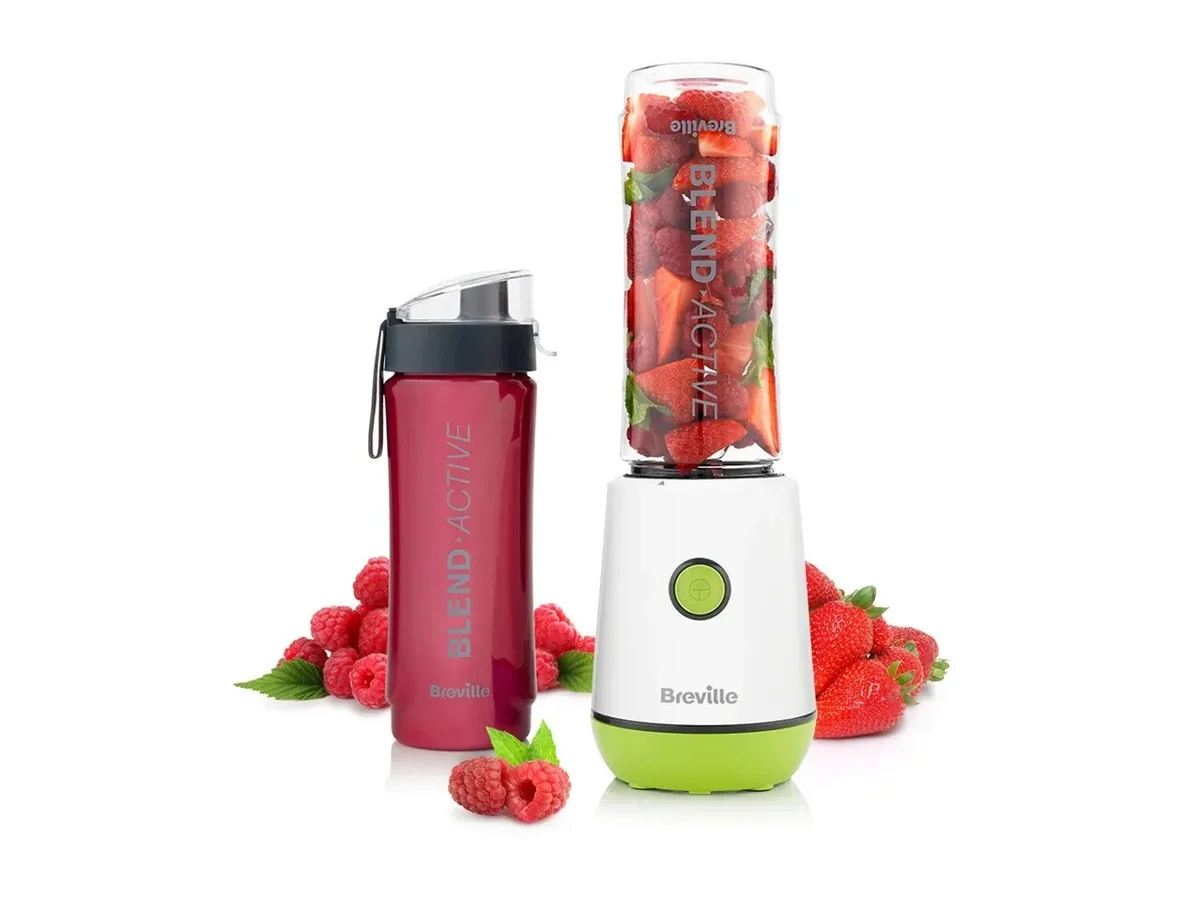
Can You Really Make Soup in a Personal Blender?
Let’s tackle the big question right away: Can you actually make soup in a small, single-serve blender? The short answer is an enthusiastic yes! The longer answer is yes, but with a few crucial rules to follow. A personal blender is brilliant for creating silky smooth, puréed soups like creamy tomato, butternut squash, or potato leek. It’s designed for convenience and portion control, making it perfect for a quick lunch for one or a light dinner. For best personal roundups on this site.
However, it’s not a magical soup machine. It has limitations, primarily concerning heat and volume. Unlike some high-end traditional blenders with vented lids and specialized soup-heating functions, personal blenders are sealed units. Blending hot liquids in a sealed container is a recipe for disaster—literally. The steam builds up pressure, which can force the lid to pop off, sending scalding hot soup everywhere. But don’t worry, the workaround is incredibly simple.
The Golden Rules: How to Make Soup With a Personal Blender Safely
Safety first, always. Following these rules isn’t just a suggestion; it’s essential for a successful and burn-free soup-making experience. Think of this as your personal blender soup manifesto.
- NEVER Blend Hot Liquids: This is the most important rule. Cook your soup ingredients on the stove first. Then, and this is critical, let them cool down. You want the mixture to be warm, not steaming hot, before it goes anywhere near your blender cup. Aim for a temperature you could comfortably touch.
- Don’t Overfill the Cup: We know it’s tempting to cram it all in, but resist the urge. Fill your personal blender cup no more than halfway, or two-thirds at the absolute maximum. This leaves room for the ingredients to move and blend properly, and it also reduces the amount of pressure that can build up inside.
- Work in Batches if Necessary: If your recipe makes more than a single serving, simply blend it in batches. It only takes an extra minute and ensures a smoother, safer blend every time.
- Pulse, Don’t Obliterate: Instead of holding the blend button down for a full minute, use short pulses. Blend for 5-10 seconds, stop, let things settle, and then pulse again. This technique helps to release any minimal pressure that might build up and gives you more control over the final texture.
- Reheat After Blending: Once your soup is perfectly smooth, pour it back into a pot or a microwave-safe bowl to reheat it to your desired temperature. This final step ensures you get that comforting, piping-hot bowl of soup you were craving.
“A personal blender is a fantastic tool for nutrient retention. By blending cooked vegetables into a soup, you’re consuming the entire ingredient—fiber and all—which is a huge win for gut health and overall wellness.” – Dr. Alisha Chen, PhD in Nutrition
Choosing the Right Ingredients for Blender Soups
The beauty of making soup this way is its simplicity. You don’t need complex recipes. The best soups for a personal blender are those that rely on a smooth, creamy texture.
- The Base: Start with soft, cooked vegetables. Think roasted butternut squash, boiled potatoes and carrots, steamed cauliflower, or sautéed zucchini and onions. Roasting your vegetables beforehand adds an incredible depth of flavor.
- The Liquid: Use broth (vegetable, chicken, or bone broth), a splash of milk or cream (dairy or plant-based), or even just the water the vegetables were cooked in. This liquid is key to getting the blades to work their magic.
- The Creaminess Factor: For an extra velvety texture, add a source of healthy fat or starch. A small handful of cashews (soaked if your blender isn’t super powerful), a spoonful of tahini, a scoop of full-fat coconut cream, or a piece of cooked potato works wonders.
- The Flavor Boost: This is where you get creative! Add in your favorite herbs (fresh or dried), spices like cumin, coriander, or smoked paprika, a squeeze of lemon juice for brightness, or a clove of roasted garlic for richness.
Step-by-Step Guide: Your First Personal Blender Soup
Ready to give it a try? Here’s a foolproof recipe for a single serving of Creamy Roasted Red Pepper and Tomato Soup.
Ingredients:
- 1 large roasted red bell pepper (from a jar is perfect for speed)
- 1/2 cup canned diced tomatoes, drained
- 1/4 small onion, roughly chopped and sautéed
- 1/2 cup vegetable broth
- 1 tablespoon of olive oil or a small handful of cashews
- A pinch of salt, black pepper, and dried basil
Instructions:
- Sauté the onion in a small pot until soft.
- Add the roasted pepper, tomatoes, and broth to the pot. Let it simmer for about 5 minutes for the flavors to meld.
- Crucially, remove the pot from the heat and let it cool for at least 10-15 minutes. It should be warm, not hot.
- Carefully pour the mixture into your personal blender cup, making sure not to fill it more than halfway. Add the olive oil (or cashews), salt, pepper, and basil.
- Screw the blade assembly on tightly.
- Pulse the blender in short bursts until the soup is completely smooth and creamy.
- Pour your blended soup into a mug or bowl and reheat in the microwave or on the stovetop until hot.
- Garnish with a swirl of cream or some fresh parsley and enjoy!
See? Learning how to make soup with a personal blender is that simple.
Personal vs. Traditional Blenders for Soup: An Honest Look
Is a personal blender a complete replacement for a big countertop or immersion blender? Not exactly. Each has its strengths. Let’s break it down.
| Feature | Personal Blender | Traditional Blender |
|---|---|---|
| Capacity | Small (single-serving) | Large (family-sized batches) |
| Convenience | Excellent. Quick to use, minimal cleanup. | Good. Requires more setup and cleanup. |
| Heat Handling | Poor. Requires cooling liquids before blending. | Often excellent. Many have vented lids for steam. |
| Power | Varies. Good for soft-cooked ingredients. | Generally more powerful. Can handle tougher ingredients. |
| Storage | Excellent. Compact and easy to store. | Bulky. Takes up significant counter or cabinet space. |
| Best For | Quick lunches, single servings, creamy puréed soups. | Large batches, entertaining, complex recipes. |
Pro Tips from the Personal Blender Kitchen
After making countless soups in my personal blender, I’ve picked up a few tricks that make the process even smoother.
- Use Frozen Veggies: In a pinch, a handful of frozen peas or cauliflower rice can be simmered in broth and blended. It cools the liquid down faster and creates a wonderfully thick texture.
- Start with Less Liquid: You can always add more liquid, but you can’t take it away. Start with just enough to get the blend going, then add more broth or water until you reach your perfect consistency.
- Let the Blade Do the Work:: If your blender is struggling, give the cup a little shake to help redistribute the ingredients around the blades.
Cleaning Up: The Easiest Part of Making Blender Soup
This is where the personal blender truly shines. There’s no giant, awkward pitcher to scrub.
- Rinse the cup and blade assembly immediately after use.
- Add a drop of dish soap and some warm water to the cup.
- Screw the blade on and pulse for 10-15 seconds.
- Rinse thoroughly, and you’re done! It literally takes less than a minute.
Frequently Asked Questions (FAQ)
Can I blend hot liquids directly in my personal blender if I’m careful?
No, we strongly advise against this. The sealed design of personal blender cups is not made to handle the steam pressure from hot liquids. It can cause the container to burst or the lid to fly off, which is extremely dangerous. Always let your ingredients cool to warm before blending.
What kind of soups are best for a personal blender?
Puréed soups are the ideal candidates. Think creamy tomato, butternut squash, lentil, split pea, sweet potato, or cauliflower soup. Avoid soups that are meant to be chunky or contain tough, fibrous ingredients that a smaller motor might struggle with.
How powerful does my personal blender need to be for soup?
For blending soft, cooked vegetables, most standard personal blenders with at least 300-600 watts will do a great job. If you plan on blending harder ingredients like nuts for creaminess, a more powerful model (900+ watts) will give you a smoother result.
Can I make chunky soup in a personal blender?
Not effectively. A personal blender’s design is optimized for liquefying and puréeing. Attempting to make a chunky soup will likely result in an uneven texture—some parts will be puréed while others remain too large. For chunky soups, an immersion blender or simple stovetop cooking is a better choice.
How do I get my blender soup extra creamy without using dairy?
There are many fantastic dairy-free options! Adding a tablespoon of cashew butter or tahini, a quarter of an avocado, a scoop of coconut cream, or a small piece of boiled potato before blending will all result in a wonderfully creamy and rich texture.
So, the next time you’re looking for a quick, healthy, and satisfying meal, don’t overlook your personal blender. It’s more than just a smoothie maker; it’s a gateway to a world of delicious, single-serving soups that are ready in minutes. By following a few simple safety rules, you can unlock a whole new level of convenience in your kitchen. Learning how to make soup with a personal blender is one of the best ways to embrace a warm, nourishing, and incredibly easy approach to healthy eating.
Frequently Asked Questions
Can you blend hot liquids directly in a personal blender?
No, it is strongly advised against blending hot liquids directly in a personal blender. The sealed design of personal blender cups cannot handle the steam pressure from hot liquids, which can cause the container to burst or the lid to fly off, posing a significant safety risk. Always let your ingredients cool to a warm temperature before blending.
What types of soups are best suited for a personal blender?
Puru00e9ed soups are the ideal candidates for a personal blender, such as creamy tomato, butternut squash, lentil, split pea, sweet potato, or cauliflower soup. These blenders excel at creating smooth textures. Avoid chunky soups or those with tough, fibrous ingredients that a smaller motor might struggle to process evenly.
How much power does a personal blender need for making soup?
For blending soft, cooked vegetables into soup, most standard personal blenders with at least 300-600 watts will perform well. If you plan to incorporate harder ingredients like nuts for added creaminess, a more powerful model, typically 900+ watts, will yield a smoother and more consistent result.
How can I make blender soup extra creamy without using dairy products?
To achieve an extra creamy texture in your blender soup without dairy, consider adding a tablespoon of cashew butter or tahini, a quarter of an avocado, a scoop of full-fat coconut cream, or a small piece of boiled potato before blending. These ingredients contribute richness and a velvety consistency.
Is a personal blender a good replacement for a traditional blender for soup?
A personal blender is excellent for quick, single-serving, puru00e9ed soups due to its convenience and easy cleanup. However, it is not a complete replacement for a traditional blender, which typically offers larger capacity, more power for tougher ingredients, and often features vented lids for safely blending hot liquids in larger batches.
Make Creamy Roasted Red Pepper and Tomato Soup in a Personal Blender
Follow these steps to safely and easily prepare a single serving of creamy roasted red pepper and tomato soup using your personal blender.
Sautu00e9 1/4 small onion in a pot until soft. Add 1 large roasted red bell pepper, 1/2 cup drained canned diced tomatoes, and 1/2 cup vegetable broth. Simmer for 5 minutes, then remove from heat and let cool for 10-15 minutes until warm, not hot.
Carefully pour the cooled soup mixture into your personal blender cup, ensuring it is no more than halfway full. Add 1 tablespoon of olive oil (or a small handful of cashews), a pinch of salt, black pepper, and dried basil for flavor.
Screw the blade assembly on tightly. Pulse the blender in short bursts (5-10 seconds at a time) until the soup reaches a completely smooth and creamy consistency. This pulsing technique helps release any pressure and ensures even blending.
Pour your blended soup into a mug or bowl. Reheat it in the microwave or on the stovetop until it reaches your desired hot temperature. Garnish with a swirl of cream or fresh parsley before enjoying your comforting, single-serving soup.
Get our weekly buyer guide
Practical specs, not advice. Unsubscribe anytime.
This is exactly what I needed! I’ve been trying to cut down on takeout, and the idea of making a quick, healthy soup without a huge mess is fantastic. My compact powerhouse now gets double duty, and I’m loving experimenting with different vegetable combinations. Cleanup is a breeze, which is always a win.
I’m always looking for easy lunch ideas, and this is a game-changer. I never thought beyond fruit and protein powder for my personal blender, but making a warm, comforting soup is brilliant. It’s so much faster than heating up a can, and I love that I can control the ingredients. Definitely a major upgrade to my kitchen routine.
I was so skeptical about making soup in my little personal blender, but this totally changed my mind! I used to dread the cleanup of my big blender for just one serving. Now I can whip up a quick tomato soup for lunch without any hassle. It’s perfect for those chilly days when I’m working from home.
It’s a neat idea, and I appreciate the convenience for single servings. However, I found that my blender, which is usually great for smoothies, struggled a bit with some of the thicker soup ingredients. It took a few pulses to get it really smooth, and I had to add more liquid than I usually would. Still, it’s good for a quick fix.