A personal blender can revolutionize meal prep by enabling quick creation of single-serving or small-batch components like smoothie packs, savory sauces, and puréed soups, significantly reducing prep time and food waste. Unlike traditional blenders, personal blenders are designed for convenience and portion control, making them ideal for preparing meals for 1-2 people for a few days at a time.
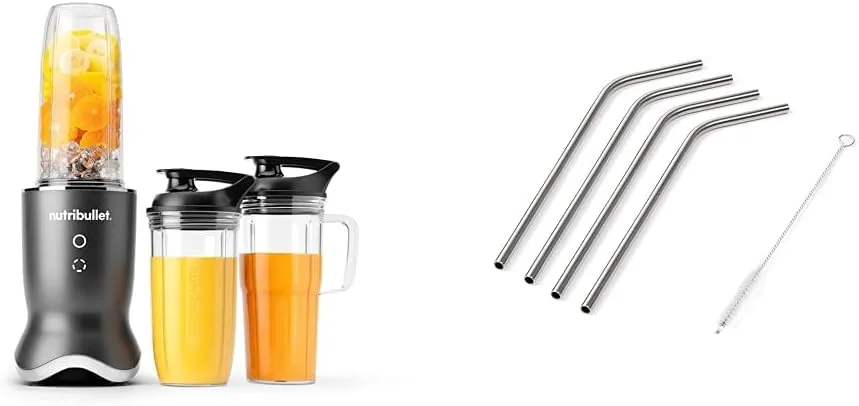
Why a Personal Blender is Your Meal Prep MVP
Before we get to the recipes, let’s talk about why a personal blender, specifically, is a non-negotiable tool for efficient meal prep. You might think of it as just for that single-serve breakfast smoothie, but its true power lies in its convenience and portion-perfect design. For browse all personal articles on this site.
A personal blender is your go-to for small-batch prep. Unlike a bulky, traditional blender that feels like overkill for making a cup of salad dressing, a personal blender is designed for exactly that. It’s about making just enough for a few days, keeping ingredients fresh and reducing food waste. It’s the difference between committing to a gallon of tomato soup and whipping up a perfect portion for two lunches. Plus, the cleanup is an absolute breeze—a huge win when you’re trying to get through your Sunday prep list.
Revolutionary Meal Prep Ideas with a Blender
Ready to move beyond the morning smoothie? Your personal blender is a versatile powerhouse capable of creating a huge range of meal components. Here’s how to put it to work.
Prep-Ahead Smoothie Packs
This is the classic, but let’s perfect it. Instead of just winging it every morning, spend 20 minutes on Sunday creating a week’s worth of smoothie packs.
- How to do it: Grab your freezer-safe bags or containers. In each one, combine your solid ingredients: a handful of spinach or kale, half a banana, a scoop of protein powder, a tablespoon of chia seeds or flax seeds, and a 1/2 cup of your favorite frozen fruit like berries or mango.
- Morning routine: When you’re ready for breakfast, just dump the contents of one bag into your Personal Blender cup, add your liquid of choice (almond milk, coconut water, or just plain water), and blend. You get a perfect, fresh smoothie in under 60 seconds. No mess, no measuring, no morning brainpower required.
Savory Sauces and Dressings in a Flash
Store-bought dressings and sauces are often loaded with sugar, sodium, and preservatives. Making your own is not only healthier but also incredibly simple with a blender. You can prep a week’s worth of flavor in minutes.
- Creamy Vinaigrette: Blend olive oil, balsamic vinegar, a dollop of Dijon mustard, a small garlic clove, and a pinch of salt and pepper. Store it in a mason jar in the fridge for salads all week.
- 5-Minute Pesto: Combine fresh basil, pine nuts (or walnuts for a budget-friendly option), grated Parmesan cheese, garlic, and a stream of olive oil. Blend until smooth. Perfect for pasta, sandwiches, or drizzled over roasted chicken.
- Spicy Peanut Sauce: Blend peanut butter, soy sauce, a little honey or maple syrup, lime juice, a splash of water to thin it out, and a dash of sriracha. This is a major upgrade for stir-fries, noodle bowls, or as a dip for spring rolls.
Batch-Blended Soups and Purées
A personal blender is fantastic for creating silky smooth soups. You can roast a big batch of vegetables and then blend them into individual portions for easy grab-and-go lunches.
As registered dietitian Dr. Elena Vance puts it, “Using a blender to prep nutrient-dense soups is one of my top recommendations for clients. It makes vegetables more palatable and easier to digest, ensuring you get a powerhouse of vitamins in a single, comforting meal.”
- Roasted Tomato Soup: Roast tomatoes, onions, and garlic with a bit of olive oil. Once cooled slightly, blend them with some vegetable broth and a splash of coconut milk for creaminess.
- Butternut Squash Soup: Use pre-cubed butternut squash (a great time-saver!), roast it, and blend with broth, a touch of cinnamon, and nutmeg.
- Sweet Potato Purée: A simple purée of roasted sweet potato can be a versatile base. Add it to oatmeal, use it as a side dish, or mix it with yogurt for a healthy snack.
Dips, Spreads, and Healthy Snacks
Your blender can also be your secret weapon for creating healthy snacks that curb those afternoon cravings.
- Effortless Hummus: Blend a can of chickpeas (drained), a spoonful of tahini, lemon juice, garlic, and a little water until you reach your desired consistency.
- Energy Ball Mix: In a powerful personal blender, you can pulse dates, nuts (like almonds or cashews), a scoop of protein powder, and a bit of cocoa powder to form a sticky “dough.” Just roll it into balls, and you have a perfect pre-workout or afternoon snack.
Personal Blender vs. Traditional Blender: What’s the Difference for Meal Prep?
So, you might have a big, high-powered blender already. Do you really need a personal one for meal prep? While a traditional blender is a kitchen workhorse, a personal blender offers unique advantages specifically for prepping weekly meals.
| Feature | Personal Blender | Traditional Blender |
|---|---|---|
| Batch Size | Ideal for single or double servings (8-24 oz). | Best for large batches (48-64 oz). |
| Convenience | Grab-and-go cups; blend and drink from the same container. | Requires transferring to another container. |
| Footprint | Compact, takes up minimal counter space. | Bulky, often needs dedicated storage space. |
| Cleanup | Fewer parts, often dishwasher-safe cups and blades. | Larger pitcher and more complex base can be harder to clean. |
| Best For | Smoothies, dressings, small-batch sauces, single-serving soups. | Large family meals, hot soups, tough blends like nut butters. |
For meal prep, the personal blender’s strength is its efficiency and portion control. It encourages you to make what you need, ensuring freshness and minimizing the “I’m so sick of this” feeling by the end of the week.
Tips for Cleaning and Maintaining Your Personal Blender
A clean blender is a happy blender. To keep your meal prep engine running smoothly, follow these simple steps.
- Immediate Rinse: The number one rule! As soon as you’re done blending, rinse the cup and blade assembly with warm water. This prevents anything from drying on and becoming a pain to scrub off later.
- The 30-Second Soap Blend: Fill the blender cup about halfway with warm water, add a drop of dish soap, and put it back on the base. Run it for about 20-30 seconds. This deep cleans the blades and the inside of the cup with zero effort.
- Check for Dishwasher Safety: Most personal blender cups are top-rack dishwasher safe, but always check the manufacturer’s instructions. The blade assembly and motor base should never go in the dishwasher.
- Deep Clean the Gasket: Occasionally, remove the small rubber gasket from the blade assembly and wash it thoroughly. Tiny food particles can get trapped here, so keeping it clean is crucial for hygiene.
- Wipe Down the Base: Use a damp cloth to wipe down the motor base, paying attention to any nooks and crannies where spills might have occurred.
Frequently Asked Questions
Q: Can I really prep smoothies for a whole week?
A: Absolutely! The freezer pack method is perfect for this. You can prep 5-7 bags on a Sunday. The ingredients stay frozen and fresh. Just don’t add the liquid until you’re ready to blend to avoid a solid, icy block.
Q: Will my blended sauces and dressings stay fresh all week?
A: Most homemade dressings (especially vinaigrettes) will last for at least a week in an airtight container in the fridge. Creamier or dairy-based sauces are best used within 3-4 days.
Q: Can I blend hot ingredients in my personal blender?
A: This is a big one: generally, no. The pressure from the steam can build up in the sealed cup, which can be dangerous. It’s always best to let hot ingredients like roasted vegetables cool down to at least room temperature before blending.
Q: My blender struggles with frozen fruit. What can I do?
A: Make sure you have enough liquid in the cup. Liquid helps create a vortex that pulls the solid ingredients down into the blades. You can also try letting the frozen fruit sit out for 5 minutes before blending to soften it slightly. A blender with a powerful motor (at least 600 watts) is also key for this.
Q: What’s the best way to store my prepped sauces and dips?
A: Small glass mason jars are perfect. They don’t absorb odors or stains like plastic can, they are easy to clean, and they create an airtight seal to keep your creations fresh.
Your Meal Prep Journey Starts Now
Switching your mindset from viewing a blender as a one-trick pony to a multi-functional meal prep tool is a complete major upgrade. It saves time, reduces food waste, and puts you in complete control of your nutrition. By embracing these meal prep ideas with a blender, you’re not just making food; you’re investing in a healthier, less stressful, and more delicious week ahead. So go ahead, dust off that Personal Blender, and get ready to improve your Sunday routine.
Frequently Asked Questions
Can I prepare smoothies for an entire week using a personal blender?
Yes, you can absolutely prep smoothies for a whole week using the freezer pack method. By combining solid ingredients like fruit and protein powder in 5-7 freezer-safe bags on Sunday, you can quickly blend a fresh smoothie each morning by adding liquid.
How long do homemade blended sauces and dressings stay fresh?
Most homemade dressings, especially vinaigrettes, will remain fresh for at least a week when stored in an airtight container in the refrigerator. Creamier or dairy-based sauces typically have a shorter shelf life and are best consumed within 3-4 days for optimal freshness.
Is it safe to blend hot ingredients in a personal blender?
Generally, it is not safe to blend hot ingredients in a personal blender due to the potential for steam pressure to build up in the sealed cup, which can be dangerous. Always allow hot ingredients, such as roasted vegetables, to cool down to at least room temperature before blending.
What should I do if my personal blender struggles with frozen fruit?
If your blender struggles with frozen fruit, ensure there is enough liquid in the cup to create a vortex that pulls solids into the blades. You can also let the frozen fruit sit out for about 5 minutes to soften slightly before blending. A blender with at least 600 watts of power is also recommended for better performance with frozen ingredients.
What is the best storage method for prepped sauces and dips?
Small glass mason jars are ideal for storing prepped sauces and dips. They do not absorb odors or stains like plastic containers, are easy to clean, and provide an airtight seal to maintain the freshness of your creations for longer periods.
How to Clean and Maintain Your Personal Blender
Keep your personal blender in top condition for efficient meal prep with these simple cleaning and maintenance steps.
As soon as you finish blending, rinse the cup and blade assembly with warm water. This crucial step prevents food particles from drying and sticking, making subsequent cleaning much easier.
Fill the blender cup halfway with warm water and add a drop of dish soap. Place it back on the base and run the blender for 20-30 seconds. This method effectively deep cleans the blades and the interior of the cup with minimal effort.
Most personal blender cups are safe for the top rack of a dishwasher, but always consult your manufacturer's instructions. The blade assembly and motor base should never be placed in a dishwasher to prevent damage.
Periodically remove the small rubber gasket from the blade assembly and wash it thoroughly. Food particles can accumulate here, so regular cleaning is essential for hygiene and preventing odors.
Use a damp cloth to wipe down the motor base, paying close attention to any crevices where spills might have occurred. This keeps the electrical components clean and extends the life of your appliance.
Get our weekly buyer guide
Practical specs, not advice. Unsubscribe anytime.
I got one of the blenders mentioned in the $50-$75 price range, and while it’s great for smoothies, I found it struggled a bit with thicker savory sauces. It took a few tries to get the consistency right without adding too much liquid. Still, it’s super convenient for meal prepping small batches, just not as powerful as I’d hoped for everything.
This little machine is truly an MVP for meal prep! I used to think personal blenders were only for breakfast, but I’ve been making all sorts of dressings and marinades for my lunches. It’s so much easier than dragging out my big blender, and the portion control is perfect for just me.
I’ve been trying to reduce food waste and this blender has been amazing for that. I love that I can make just enough puréed soup for a couple of days without having a huge batch go bad. It’s definitely helped me stick to my meal prep goals and save money on groceries.
I used to dread making my morning smoothies because cleaning my big blender was such a hassle. This post really highlighted how a personal blender is a game-changer for single-serving portions. Now I can whip up my smoothie packs in minutes and the cleanup is practically nonexistent. It’s made my weekday mornings so much smoother!