If you’re looking to use a personal blender, the process involves four main steps: prepping ingredients and ensuring safety, layering ingredients correctly (liquids first, then powders/greens, soft items, and finally hard/frozen ingredients), securing the blade and blending in pulses, and then enjoying your creation. This compact appliance is ideal for single-serve portions and on-the-go convenience, making healthy eating accessible for busy individuals, fitness enthusiasts, students, and those with small kitchens.
What is a Personal Blender and Who Is It For?
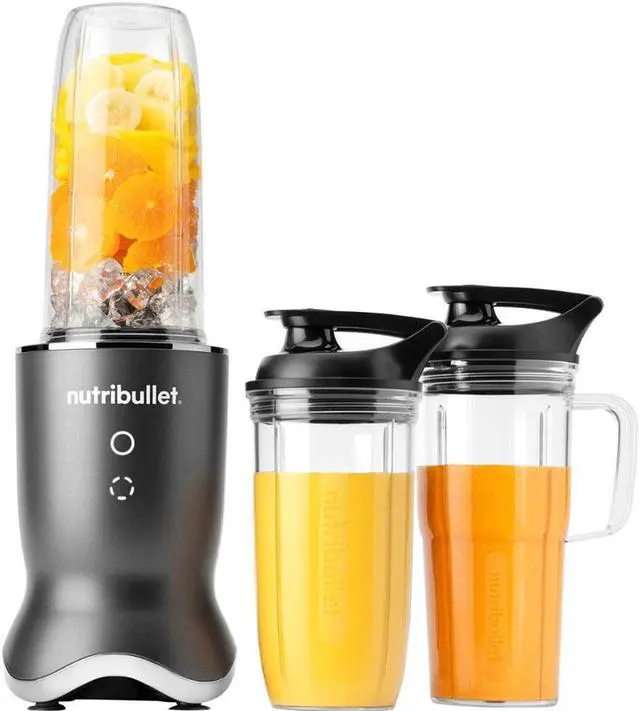
A personal blender, also known as a single-serve or portable blender, is a compact appliance designed to make one or two servings at a time. Its defining feature is that the blending container often doubles as a to-go cup. You blend, swap the blade attachment for a drinking lid, and you’re out the door. Simple as that.
So, who is this little marvel for? Honestly, almost everyone.
- The Busy Professional: Need a nutrient-packed breakfast you can sip during your morning commute? This is your answer.
- The Fitness Enthusiast: Perfect for whipping up a quick pre-workout energy boost or a post-workout protein shake right when you need it.
- The Student: Living in a dorm with limited space? A personal blender is a space-saving champ for quick meals between classes.
- The Small-Kitchen Dweller: If you don’t have the counter space for a full-sized blender, this compact alternative is a major upgrade.
- The Health-Conscious Parent: Quickly make a single-serving smoothie for a picky eater without a massive cleanup operation.
Basically, if you value convenience, portion control, and a healthier lifestyle, a personal blender is designed with you in mind.
The Ultimate Guide: How to Use a Personal Blender Step by Step
Ready to blend? It’s genuinely as easy as 1-2-3-4. But a few pro tips can take your smoothie from good to flawlessly smooth. Let’s walk through the process.
Step 1: Prep and Safety Check
Before you add a single ingredient, take a moment for a quick check. Make sure the blending cup and blade assembly are clean. Most importantly, ensure the rubber gasket is properly seated in the blade attachment. A loose gasket is the number one cause of pesky leaks. Also, check that your blender is on a stable, dry surface and unplugged.
Step 2: The Art of Layering (This is the Secret!)
How you load your ingredients makes a huge difference in the final texture. Tossing everything in randomly can lead to air pockets or chunky bits. Follow this order for the perfect blend every time:
- Liquids First: Pour in your liquid base (e.g., water, milk, almond milk, coconut water). This helps create a vortex that pulls the other ingredients down toward the blades. Aim for about 1/3 of the cup.
- Powders & Greens: Next, add any protein powders, superfood powders, or leafy greens like spinach or kale. The liquid helps them dissolve and blend without clumping.
- Soft Ingredients: Add soft items like yogurt, nut butters, bananas, and fresh berries.
- Hard & Frozen Ingredients Last: Finally, add your frozen fruits, nuts, seeds, and ice. Their weight helps push everything else down into the blades for a thorough blend.
Pro Tip: Never fill your personal blender cup past the ‘Max Fill’ line. Overfilling can put stress on the motor and lead to leaks or an inconsistent blend.
Step 3: Secure the Blade and Blend
Screw the blade assembly onto the cup until it’s snug. Don’t overtighten it, but make sure it feels secure. Now, flip the cup upside down and place it onto the motor base. Depending on your model, you’ll either push down to blend or twist it to lock it in place.
Blend in short, 20-30 second pulses at first, especially if you have a lot of frozen ingredients. This helps break everything up. You can even give it a gentle shake between pulses. Then, let it run for a solid 30-60 seconds until everything is silky smooth.
Step 4: Enjoy and Go!
Once you’re happy with the consistency, twist the cup to unlock it from the base. Flip it right side up and unscrew the blade assembly. Be careful, as the blades are sharp. Screw on your to-go lid, and you’re ready to conquer your day with a delicious, homemade drink. Learning how to use a personal blender step by step is really that straightforward.
Creative Ways to Use Your Personal Blender – Beyond Smoothies
Think your personal blender is a one-trick pony? Think again! This versatile tool can handle much more than just smoothies.
- Salad Dressings & Vinaigrettes: Whip up a fresh, preservative-free dressing in seconds. Olive oil, vinegar, herbs, a little mustard—blend and you’re done.
- Sauces & Dips: Perfect for making a single serving of pesto, chimichurri, or a creamy avocado dip.
- Protein Pancake/Waffle Batter: Combine oats, a banana, an egg, and protein powder for a quick, healthy batter.
- Grinding Spices & Coffee Beans: Some powerful personal blenders come with a grinding blade. You can have freshly ground coffee or spices in a flash. (Check your manual first!)
- Homemade Nut Milk: Soak a small handful of almonds, blend with water, and strain. It’s that easy.
Personal Blender vs. Traditional Blender: What’s the Difference?
Ever wonder if you really need a big, bulky blender? Let’s break down the key differences to help you decide.
| Feature | Personal Blender | Traditional (Countertop) Blender |
|---|---|---|
| Capacity | Single-serve (8-24 oz) | Large batches (32-64 oz+) |
| Power | Compact motor (250-900 watts) | High-power motor (1000-1500+ watts) |
| Footprint | Small, easy to store | Takes up significant counter space |
| Best For | Smoothies, shakes, dressings, on-the-go | Soups, nut butters, large family meals |
| Cleanup | Very easy; cup is often dishwasher-safe | More parts to clean; can be cumbersome |
| Price | Generally more affordable | A significant kitchen investment |
Tips for Cleaning and Maintaining Your Personal Blender
Keeping your blender in top shape is easy and extends its life significantly. A clean blender is a happy blender!
The 30-Second Quick Clean
This is the method you’ll use 99% of the time.
- Rinse Immediately: As soon as you finish your drink, rinse the cup and blade assembly under warm water. Don’t let the residue dry!
- Add Soap & Water: Fill the cup about halfway with warm water and add a drop of dish soap.
- Blend: Screw the blade assembly back on, put it on the base, and blend for 10-15 seconds. The soapy water will clean the blades and the inside of the cup.
- Rinse & Dry: Rinse everything thoroughly and let it air dry.
Deep Cleaning Tips
- For stubborn smells or stains, blend a mixture of water and a splash of white vinegar. Let it sit for about 10 minutes before rinsing.
- Use a small brush or old toothbrush to gently scrub around the blade assembly and the rubber gasket to remove any built-up gunk.
- Most personal blender cups are top-rack dishwasher safe, but always check your user manual to be sure. The motor base should only ever be wiped down with a damp cloth—never submerge it in water.
“A personal blender is a non-negotiable tool for my clients,” says nutritionist Dr. Alisha Chen, RDN. “It removes the barrier of time and effort, making it incredibly easy to pack in a serving of fruits and vegetables first thing in the morning. It’s one of the simplest and most effective habits for a healthier lifestyle.”
Frequently Asked Questions (FAQ)
Q1: Can you put hot liquids in a personal blender?
A: Generally, no. Blending hot liquids can create pressure inside the sealed cup, which can be dangerous. Most personal blenders are designed for cold or room-temperature ingredients. Always check your manufacturer’s instructions.
Q2: Why is my smoothie still chunky?
A: This is usually due to one of three things: not enough liquid, improper layering (hard ingredients at the bottom), or not blending long enough. Try adding a splash more liquid and follow the layering guide above.
Q3: Can a personal blender crush ice?
A: Most modern personal blenders with a motor of 500 watts or higher can handle a few ice cubes or frozen fruit with ease. However, lower-powered models may struggle. It’s best to use smaller ice cubes or slightly thawed fruit if you have a less powerful blender.
Q4: What are the best liquids to use in a personal blender?
A: The options are endless! Water is great for hydration, milk (dairy or plant-based) adds creaminess, coconut water is full of electrolytes, and a splash of fruit juice can add natural sweetness.
Q5: How often should I replace the blade or gasket?
A: With regular use and proper cleaning, a blade assembly should last for a year or more. If you notice leaks, a decline in blending performance, or a noisy motor, it might be time to check the gasket or consider a replacement blade.
You’re now fully equipped to master your new favorite kitchen appliance. The beauty of the personal blender lies in its simplicity and the creative freedom it gives you. It’s more than just a machine; it’s a partner in your daily wellness journey. So go ahead, experiment with new recipes, and enjoy the delicious and healthy creations you make. Following this guide on how to use a personal blender step by step will ensure you get the most out of every blend.
Frequently Asked Questions
Can you put hot liquids in a personal blender?
No, generally you should not put hot liquids in a personal blender. Blending hot liquids can create dangerous pressure inside the sealed cup, which may lead to spills or injury. Most personal blenders are designed for cold or room-temperature ingredients, so always check your manufacturer's instructions for specific guidelines.
Why is my smoothie still chunky after blending?
A chunky smoothie is typically caused by insufficient liquid, improper ingredient layering, or not blending for long enough. Ensure you add liquids first (about 1/3 of the cup), followed by powders, soft ingredients, and then hard/frozen items. Blend in 20-30 second pulses initially, then for 30-60 seconds continuously for a smooth consistency.
Can a personal blender effectively crush ice?
Most modern personal blenders with a motor of 500 watts or higher can easily crush a few ice cubes or frozen fruit. However, lower-powered models may struggle with harder frozen items. For less powerful blenders, it's best to use smaller ice cubes or slightly thawed fruit to prevent motor strain.
What are the best liquids to use in a personal blender?
The best liquids for a personal blender include water for hydration, dairy or plant-based milk for creaminess, coconut water for electrolytes, and a splash of fruit juice for natural sweetness. These liquids help create a vortex that pulls ingredients towards the blades for a smoother blend.
How often should I replace the blade or gasket on my personal blender?
With regular use and proper cleaning, a personal blender's blade assembly should last for a year or more. If you notice leaks, a decline in blending performance, or an unusual motor noise, it's a good indication that the gasket might need replacing or a new blade assembly is required.
How to Use a Personal Blender for Smoothies
This guide provides a step-by-step process for effectively using your personal blender to create perfectly smooth and delicious drinks, from prepping to blending and enjoying.
Before adding ingredients, ensure the blending cup and blade assembly are clean. Verify the rubber gasket is properly seated in the blade attachment to prevent leaks. Place your blender on a stable, dry surface and confirm it is unplugged for safety.
For the best texture, layer ingredients in this order: first, liquids (about 1/3 of the cup), then powders and leafy greens, followed by soft ingredients like yogurt or bananas. Finally, add hard and frozen items such as ice or frozen fruit. This layering helps create a vortex for thorough blending.
Screw the blade assembly onto the cup until it's snug, then flip the cup and place it onto the motor base. Blend in short, 20-30 second pulses, especially with frozen ingredients, to break them up. Continue blending for 30-60 seconds until the mixture is silky smooth.
Once blended to your desired consistency, twist the cup to unlock it from the base and carefully unscrew the sharp blade assembly. Replace it with your to-go lid. Your delicious, homemade drink is now ready to enjoy on the go.
Get our weekly buyer guide
Practical specs, not advice. Unsubscribe anytime.
This little appliance has made healthy eating so much more accessible for me. I love that the container doubles as a to-go cup, which saves me so much time in the mornings. I’ve been making green smoothies with spinach and a banana, and it blends them perfectly. It’s truly ideal for someone like me who’s always on the go.
I got a personal blender for single-serve portions, which is great, but I sometimes find it a bit tricky to secure the blade attachment properly. It feels like I have to really twist it tight to avoid leaks, and sometimes it still doesn’t quite seal right. The convenience of the to-go cup is awesome though, and it’s perfect for my morning smoothie.
I’m a busy student and this post really helped me understand how to get the most out of my personal blender. I used to just throw everything in, but layering liquids first then powders and greens really makes a difference in smoothness. It’s so convenient to just swap the blade for a lid and head to class. Definitely a game-changer for quick, healthy breakfasts.
As a fitness enthusiast, I rely on my personal blender for protein shakes and pre-workout smoothies. The tip about blending in pulses was super helpful; I used to just hold it down and sometimes it would struggle with frozen fruit. Now my blends are much more consistent, and I appreciate the compact size for my small kitchen counter.