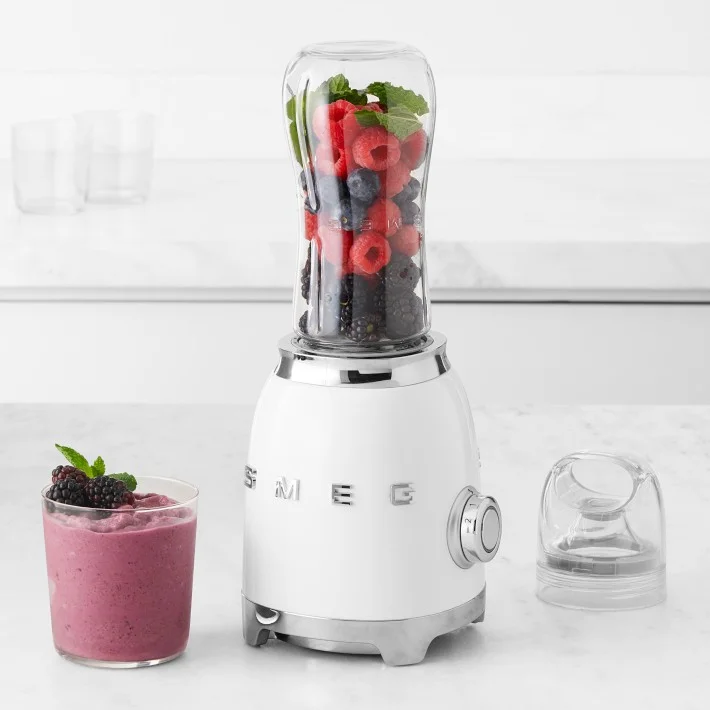
A personal blender for zero waste smoothies is a compact, powerful appliance designed to make single or double servings, effectively reducing food waste by utilizing small quantities of leftover ingredients. These blenders typically feature a motor of 300 to 600 watts, stainless steel blades, and a blending container that doubles as a travel cup, making them ideal for busy individuals, fitness enthusiasts, and anyone aiming for a more sustainable lifestyle. This approach minimizes food spoilage and promotes portion control, contributing to both personal health and environmental benefits.
What Is a Personal Blender and Who Is It For?
A personal blender, often called a single-serve or portable blender, is a compact, powerful appliance designed to make one or two servings at a time. Unlike its bulky countertop cousins, its blending container doubles as a travel cup. You just blend, swap the blade base for a travel lid, and you’re out the door. For complete personal library on this site.
So, who is this little powerhouse for? It’s for the busy professional who needs a nutrient-packed breakfast on their commute, the fitness enthusiast who wants a post-workout protein shake ASAP, the student in a dorm with limited space, and anyone who’s ever looked at a slightly bruised banana and thought, “There has to be a better use for this.” In short, it’s for the modern individual who values convenience, health, and efficiency.
Key Benefits of Using a Personal Blender
The magic of a personal blender goes far beyond just its size. When you embrace this tool, you unlock a host of benefits that perfectly align with a conscious, healthy lifestyle.
Your Secret Weapon Against Food Waste
This is the big one. A personal blender is perfectly sized to rescue those small, leftover ingredients from the brink.
- That last handful of spinach? Blend it.
- The slightly soft pear? Blend it.
- The quarter of an avocado left from lunch? Blend it for creaminess.
By making it easy to use up odds and ends, you drastically cut down on the produce that would otherwise end up in the bin.
Perfect Portion Control, Every Time
How many times have you made a giant pitcher of smoothie in a traditional blender, only to drink half and forget the rest in the fridge? A personal blender solves this. You blend exactly what you need, meaning no leftovers, no waste, and no guessing games with your calorie intake.
Unbeatable Convenience for a Life on the Go
|
Our Picks for the Best Personal Blender in 2026
As an Amazon Associate, we earn from qualifying purchases.
|
||
| Num | Product | Action |
|---|---|---|
| 1 | Ninja | Blender | Nutri Pro | Single Serve | For Smoothies, Salsa, Shakes and Frozen Drinks | Includes 2 Smoothie Cups & Lids | Crushes Ice, Fruit & Veggies |Silver | BN401 |

|
| 2 | Hamilton Beach Portable Blender for Shakes and Smoothies, 14 Oz BPA Free Travel Cup & Lid, Durable Stainless Steel Blades, Personal Smoothie Blender, White ( 51101V) |
|
| 3 | Ninja Blenders for Kitchen | Smoothie Blender, Mixer, Grinder - Premium Blending Performance for Sauces, Frozen Drinks, and More | 1200 Peak Watt Motor | SS101 Foodi Personal Smoothie Maker |
|
| 4 | Consciot CB08 11-Piece Blender for Kitchen and Personal Size, Blend Shakes and Smoothies, Frozen Drinks, Baby Food, Spreads & More, 3 Portable To-Go Cups & 2 Spout Lids & 1 Solid Lid, 900 Peak Watts |
|
| 5 | BELLA Personal Size Rocket Blender for Smoothies and Protein Shakes, Portable Juice Maker and Mini Food Processor and Grinder, 12 Piece, BPA Free Accessories, 240 W, Stainless Steel |
|
| 6 | Mueller Smoothie Blender for Smoothies - Personal Blender for Shakes, Frozen Drinks, Baby Food & More, 15oz Travel Cup and Lid, Durable Stainless Steel Blades for Powerful Blending Performance |
|
| 7 | KOIOS Smoothie Blender, 900W Personal Blender for Shakes and Smoothies for Kitchen with 2 No-BPA 22oz Portable Cups, Single Serve Smoothies Maker Mixer for Juices, Nutritious Recipe (Grey Blue) |
|
| 8 | Ninja BC151BK Blast Portable Blender, Cordless, 18oz. Vessel, Personal Blender-for Shakes & Smoothies, BPA Free, Leakproof-Lid & Sip Spout, USB-C Rechargeable, Dishwasher Safe Parts, Black |
|
| 9 | Ninja BL660 Professional Compact Smoothie & Food Processing Blender, 1100-Watts, 3 Functions -for Frozen Drinks, Smoothies, Sauces, & More, 72-oz.* Pitcher, (2) 16-oz. To-Go Cups & Spout Lids, Gray |
|
| 10 | nutribullet Personal Blender, Shakes, Smoothies, Food Prep, and Frozen Blending, 24 Ounces, 600 Watt, Gray, NBR-0601WM |
|
Time is our most valuable currency. The “blend-and-go” nature of a personal blender means you can whip up a healthy meal in under two minutes. No pouring, no extra dishes—just a simple, streamlined process that fits seamlessly into even the most hectic morning routine.
Essential Features to Look for When Buying a Personal Blender for Zero Waste Smoothies
Not all personal blenders are created equal, especially when your goal is to pulverize everything from fibrous kale stems to frozen fruit pits. Here’s what truly matters.
Motor Power and Blade Design
Don’t be fooled by a small size. A good personal blender needs enough oomph to create a silky-smooth texture, not a chunky, unappetizing mess.
- Power (Watts): Look for a motor with at least 300 to 600 watts. This is the sweet spot for handling frozen fruits, nuts, and tough greens without struggling. Anything less might leave you with leafy chunks.
- Blades: Opt for high-quality, stainless steel blades. A multi-pronged design with both sharp and blunt edges is ideal for both chopping and pulverizing.
Blending Jar: Material and Size
The jar is where the action happens, and it’s also your drinking cup.
- Material: BPA-free Tritan plastic is the industry standard. It’s durable, lightweight, and won’t absorb odors or stains. Some brands offer glass jars, which are a fantastic sustainable option but are heavier and more fragile.
- Capacity: Most personal blender cups range from 14 oz to 24 oz. This is the perfect size for a single, satisfying meal.
Portability and Lid Functionality
Since you’ll be taking it on the go, the lid is crucial. Look for a secure, leak-proof travel lid with an easy-to-use spout. A carrying handle or loop is a fantastic bonus.
A Pro’s Perspective:
“I always tell my clients that a personal blender is a non-negotiable tool for sustainable nutrition,” says Dr. Alisha Chen, a registered dietitian and author. “It removes the friction between wanting to eat healthy and actually doing it. When you can turn leftover fruits and veggies into a delicious meal in 90 seconds, you’re more likely to reduce food waste and stick to your wellness goals.”
Personal Blender vs. Traditional Blender: What’s the Difference?
Are you wondering if you really need a personal blender if you already have a big one? Let’s break down the key differences to see why they serve two very different, but equally important, purposes in a modern kitchen.
| Feature | Personal Blender | Traditional Countertop Blender |
|---|---|---|
| Best For | Single-serve smoothies, protein shakes, small batches | Large batches of smoothies, soups, sauces for family meals |
| Capacity | 12 – 24 oz | 48 – 64 oz or more |
| Footprint | Compact, fits in any kitchen or even a desk drawer | Bulky, requires significant counter or cabinet space |
| Cleaning | Super easy; blend soap and water, or dishwasher safe | More parts to clean (pitcher, lid, tamper) |
| Zero Waste Angle | Excellent for using up small amounts of leftovers | Can lead to waste if you only need a single serving |
| Convenience | Unmatched “blend-and-go” functionality | Requires transferring contents to a separate cup or container |
Creative Ways to Use Your Personal Blender – Beyond Smoothies
Your personal blender is far more versatile than you think. It’s your secret weapon for creating small-batch wonders and, you guessed it, using up even more leftovers.
- Quick Salad Dressings: Toss in some olive oil, vinegar, a dollop of mustard, leftover herbs, and a clove of garlic. Blend for 15 seconds for a fresh, homemade vinaigrette.
- Single-Serve Dips: Have half a can of chickpeas or some leftover roasted vegetables? Blend them with tahini or yogurt for a quick hummus or dip for one.
- Homemade Nut Milk or Oat Flour: Don’t let that last handful of almonds or oats go stale. Blend them with a bit of water for instant nut milk or blitz them dry to make fresh flour for pancakes.
- Flavorful Marinades & Sauces: Quickly whip up a pesto with wilting basil or a marinade for tonight’s dinner using leftover onion, garlic, and spices.
Tips for Cleaning and Maintaining Your Personal Blender
To keep your blender in top shape for years of zero-waste smoothies, a little care goes a long way. The best part? It’s incredibly easy.
- The 30-Second Clean: As soon as you’re done with your smoothie, rinse the cup and blade base.
- Add a Drop of Soap: Fill the cup about halfway with warm water and add a single drop of dish soap.
- Blend It Clean: Screw the blade base back on and blend for 10-15 seconds. Watch as it cleans itself!
- Rinse and Dry: Rinse all the parts thoroughly and let them air dry. That’s it!
For a deep clean, most personal blender cups, lids, and even blade assemblies are top-rack dishwasher safe. Just be sure to check your model’s user manual first. Never submerge the motorized base in water.
Frequently Asked Questions
Can a good personal blender really crush ice and frozen fruit?
Absolutely. A quality personal blender with a motor of 300 watts or more is specifically designed to handle frozen ingredients. It can easily pulverize ice, frozen berries, and chunks of frozen banana into a smooth, creamy consistency.
Is a personal blender powerful enough for green smoothies with kale or spinach?
Yes, this is where a powerful motor and sharp blades shine. A capable personal blender will have no trouble breaking down the tough cell walls of fibrous greens like kale, ensuring you get a smooth drink without any gritty or stringy bits.
How does a personal blender specifically help reduce food waste?
It helps in two main ways. First, its small-batch capacity is perfect for using up small, leftover quantities of produce—like a handful of berries or a slightly wilted carrot—that might otherwise be thrown out. Second, by promoting portion control, it ensures you make only what you’ll consume, eliminating leftover smoothie waste.
What is the ideal wattage for a personal blender for zero waste smoothies?
For tackling a wide variety of ingredients, including frozen items and tough greens, aim for a wattage between 300 and 600 watts. This range offers the perfect balance of power and efficiency for daily single-serve blending.
Can I make hot liquids like soup in a personal blender?
Generally, no. Most personal blenders are not designed for hot liquids. The heat can cause pressure to build up inside the sealed container, which can be dangerous. Always check the manufacturer’s instructions, but it’s safest to stick to cool or room-temperature ingredients.
Your Partner in a Healthier, Less Wasteful Life
Choosing the right personal blender for zero waste smoothies is about more than just convenience. It’s a conscious decision to invest in your health while taking a tangible step toward a more sustainable kitchen. It empowers you to rescue food, control your portions, and fuel your body with wholesome, delicious creations in minutes. Stop letting good food go to waste. It’s time to embrace the blend-and-go lifestyle and discover how this small but mighty appliance can make a huge impact on your daily routine.
Frequently Asked Questions
Can a good personal blender really crush ice and frozen fruit?
Absolutely, a quality personal blender with a motor of 300 watts or more is specifically designed to handle frozen ingredients. It can easily pulverize ice, frozen berries, and chunks of frozen banana into a smooth, creamy consistency for your smoothies.
Is a personal blender powerful enough for green smoothies with kale or spinach?
Yes, a capable personal blender with a powerful motor and sharp blades will have no trouble breaking down the tough cell walls of fibrous greens like kale. This ensures you get a smooth drink without any gritty or stringy bits, making it ideal for green smoothies.
How does a personal blender specifically help reduce food waste?
A personal blender helps reduce food waste in two main ways. First, its small-batch capacity is perfect for using up small, leftover quantities of produce, like a handful of berries or a slightly wilted carrot, that might otherwise be thrown out. Second, by promoting portion control, it ensures you make only what you'll consume, eliminating leftover smoothie waste.
What is the ideal wattage for a personal blender for zero waste smoothies?
For tackling a wide variety of ingredients, including frozen items and tough greens, aim for a wattage between 300 and 600 watts. This range offers the perfect balance of power and efficiency for daily single-serve blending, ensuring smooth results.
Can I make hot liquids like soup in a personal blender?
Generally, no, most personal blenders are not designed for hot liquids. The heat can cause pressure to build up inside the sealed container, which can be dangerous. It is safest to stick to cool or room-temperature ingredients and always check the manufacturer's instructions.
Clean and Maintain Your Personal Blender
Keep your personal blender in top shape for years of zero-waste smoothies with this easy cleaning routine.
As soon as you're done with your smoothie, rinse the cup and blade base thoroughly. This prevents food particles from drying and sticking, making subsequent cleaning much easier.
Fill the cup about halfway with warm water and add a single drop of dish soap. This creates a soapy solution that will help dislodge any remaining residue from the blending process.
Screw the blade base back on and blend for 10-15 seconds. The swirling action of the blades will clean the inside of the cup and the blade assembly itself, effectively self-cleaning the blender.
Rinse all the parts thoroughly under running water to remove any soap residue. Then, let them air dry completely before reassembling or storing to prevent mold or mildew growth.
Get our weekly buyer guide
Practical specs, not advice. Unsubscribe anytime.
I was excited about getting a personal blender for portion control, and it does work well for that. However, I found that the motor on my 300-watt model struggles a bit with harder ingredients like carrots or nuts. It’s fine for soft fruits and liquids, but I was hoping for a bit more power. Still, it’s compact and easy to clean.
I’ve been trying to reduce my food waste, and this post really highlighted how a personal blender could help. I got one of the 600-watt models mentioned, and it’s been fantastic for using up those last bits of fruit and spinach. It’s so convenient that the blending container is also my travel cup, making my morning routine much smoother. Definitely a game-changer for my sustainable lifestyle!
This little machine is a lifesaver for my busy mornings! I love that it’s designed for single servings, which really helps me avoid making too much and wasting ingredients. It’s super quick to blend my breakfast smoothie, and I can just grab the cup and go. Highly recommend for anyone who needs a fast and efficient way to get their nutrients.
I picked up a personal blender after reading about how great they are for fitness enthusiasts. It’s perfect for my post-workout protein shakes. The stainless steel blades handle ice and frozen fruit without a problem. My only minor gripe is that sometimes I wish it had a slightly larger capacity for when I want to make a double serving, but it’s still super handy.