So, you’re thinking about jumping on the personal blender train. Smart move. In a world that moves a mile a minute, anything that saves you time while keeping you healthy is a total win. But before you click “add to cart,” it’s worth taking a moment to weigh the Personal Blender Pros And Cons. I’ve spent years testing, tinkering with, and frankly, living by these little powerhouses, and I’m here to give you the real scoop—no fluff, just the facts. We’re going to break down whether this compact kitchen gadget is the game-changing sidekick you’ve been dreaming of or just another appliance destined to collect dust.
What is a Personal Blender and Who Is It For?
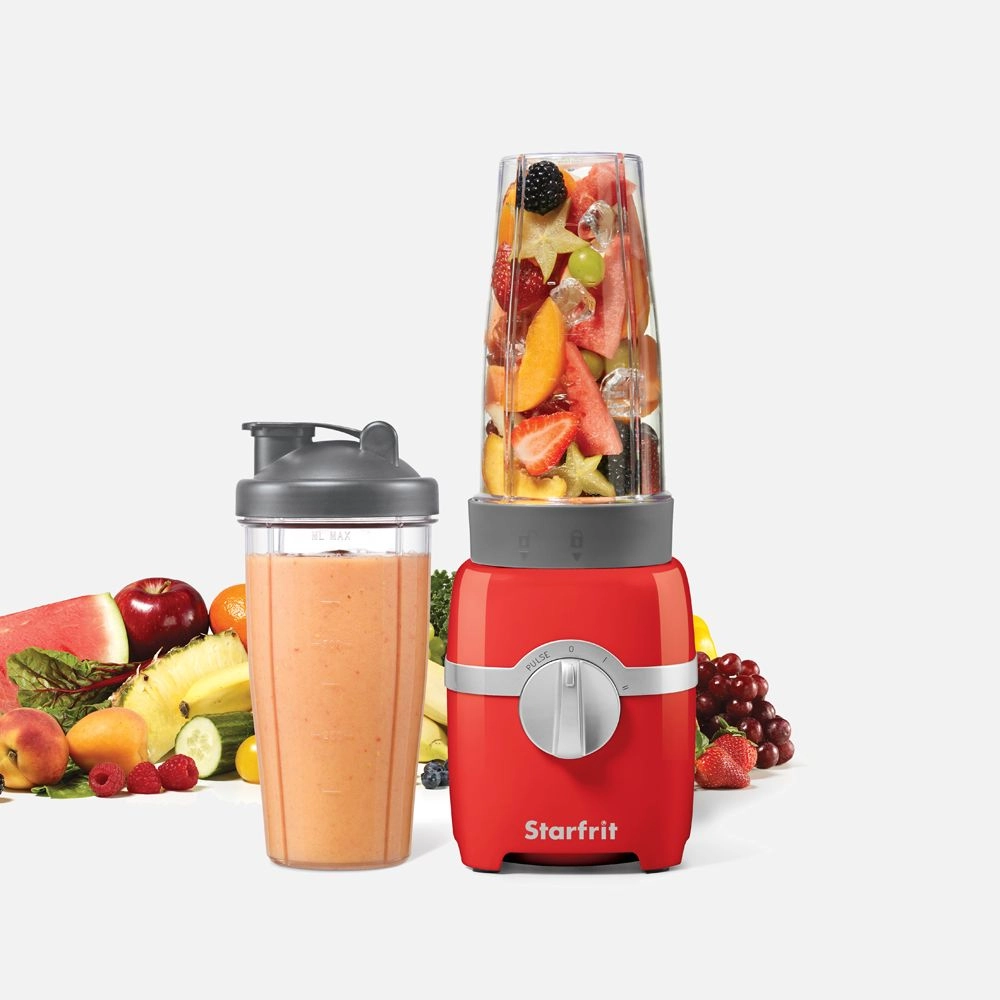
A personal blender, at its core, is a compact, single-serving blender designed for convenience. Instead of a large, heavy pitcher, it uses a smaller blending cup that often doubles as a to-go travel mug. You just blend, twist on a travel lid, and you’re out the door.
So, who is this little gadget really for? It’s for you if you’ve ever:
- Rushed out of the house without breakfast.
- Wanted a fresh, post-gym protein shake without the clumpy shaker bottle mess.
- Lived in a dorm room or a tiny apartment where counter space is prime real estate.
- Tried to make a single smoothie in a giant blender and spent more time scraping the sides than drinking it.
Essentially, it’s the perfect companion for students, busy professionals, fitness enthusiasts, and small households who prioritize speed, efficiency, and portion control.
The Pros: Why You’ll Absolutely Love a Personal Blender
Let’s start with the good stuff. Having used dozens of models over the years, I can tell you the benefits are very real and can genuinely transform your daily routine.
Pro 1: Unbeatable Convenience and Portability
This is the number one reason people buy a personal blender. The blend-and-go design is a lifesaver on hectic mornings. Imagine making a nutrient-packed smoothie in under 60 seconds and taking the very same container with you. No pouring, no extra dishes. It’s the definition of grab-and-go.
Pro 2: Perfect Portion Control
If you’re tracking calories or just trying to be more mindful of what you eat, a personal blender is your best friend. The smaller cup sizes (typically 12 to 24 ounces) make it nearly impossible to overdo it. You blend exactly what you need, which helps reduce food waste and keeps your health goals on track.
Pro 3: A Breeze to Clean
Let’s be honest, nobody enjoys cleaning a traditional blender pitcher. With its nooks and crannies, it can be a real chore. Personal blenders are a different story. Most cups and lids are dishwasher safe. Even if you’re hand-washing, a quick rinse with soap and water right after use is usually all it takes. Seriously, clean-up takes less than 30 seconds.
Pro 4: Small Footprint, Big Impact
Counter space is sacred. A personal blender is compact and lightweight, easily tucking into a corner of your kitchen or even a cabinet without a fuss. For those living in smaller spaces, this is a non-negotiable advantage. It delivers powerful performance without demanding a permanent, bulky spot on your counter.
The Cons: Potential Drawbacks to Consider
Now for the other side of the coin. No appliance is perfect for everyone, and it’s crucial to understand the limitations before you buy. Here’s a realistic look at the personal blender pros and cons.
Con 1: Limited Capacity
This is the most obvious trade-off. A personal blender is designed for one, maybe two small servings. If you’re looking to make smoothies for the whole family in one go or batch-prep soups, this is not the tool for the job. You’ll find yourself needing to blend multiple times, which defeats the purpose of its convenience.
Con 2: Less Power Than Full-Sized Models
While modern personal blenders are surprisingly powerful, they generally don’t have the same raw force as their larger counterparts. A high-end traditional blender might boast a 1500-watt motor, while a typical personal blender ranges from 250 to 900 watts. This means they can sometimes struggle with very tough ingredients like large frozen fruit chunks, fibrous greens like kale, or crushing large amounts of ice into a fine, snow-like consistency.
Con 3: Not Ideal for Hot Liquids
Safety first! Most personal blender cups are made from plastic (even BPA-free Tritan) and are not designed to handle hot liquids. Blending hot soup or coffee can cause pressure to build up inside the sealed container, creating a serious risk of the lid popping off and causing burns. Always check the manufacturer’s instructions, but as a rule of thumb, stick to cool or cold ingredients.
|
Our Picks for the Best Personal Blender in 2026
As an Amazon Associate, we earn from qualifying purchases.
|
||
| Num | Product | Action |
|---|---|---|
| 1 | BELLA Personal Size Rocket Blender for Smoothies and Protein Shakes, Portable Juice Maker and Mini Food Processor and Grinder, 12 Piece, BPA Free Accessories, 240 W, Stainless Steel |

|
| 2 | KOIOS Smoothie Blender, 900W Personal Blender for Shakes and Smoothies for Kitchen with 2 No-BPA 22oz Portable Cups, Single Serve Smoothies Maker Mixer for Juices, Nutritious Recipe (Grey Blue) |
|
| 3 | Consciot CB08 11-Piece Blender for Kitchen and Personal Size, Blend Shakes and Smoothies, Frozen Drinks, Baby Food, Spreads & More, 3 Portable To-Go Cups & 2 Spout Lids & 1 Solid Lid, 900 Peak Watts |
|
| 4 | Ninja Blenders for Kitchen | Smoothie Blender, Mixer, Grinder - Premium Blending Performance for Sauces, Frozen Drinks, and More | 1200 Peak Watt Motor | SS101 Foodi Personal Smoothie Maker |
|
| 5 | nutribullet Personal Blender, Shakes, Smoothies, Food Prep, and Frozen Blending, 24 Ounces, 600 Watt, Gray, NBR-0601WM |
|
| 6 | Hamilton Beach Portable Blender for Shakes and Smoothies, 14 Oz BPA Free Travel Cup & Lid, Durable Stainless Steel Blades, Personal Smoothie Blender, White ( 51101V) |
|
| 7 | Ninja BL660 Professional Compact Smoothie & Food Processing Blender, 1100-Watts, 3 Functions -for Frozen Drinks, Smoothies, Sauces, & More, 72-oz.* Pitcher, (2) 16-oz. To-Go Cups & Spout Lids, Gray |
|
| 8 | Ninja | Blender | Nutri Pro | Single Serve | For Smoothies, Salsa, Shakes and Frozen Drinks | Includes 2 Smoothie Cups & Lids | Crushes Ice, Fruit & Veggies |Silver | BN401 |
|
| 9 | Mueller Smoothie Blender for Smoothies - Personal Blender for Shakes, Frozen Drinks, Baby Food & More, 15oz Travel Cup and Lid, Durable Stainless Steel Blades for Powerful Blending Performance |
|
| 10 | Ninja BC151BK Blast Portable Blender, Cordless, 18oz. Vessel, Personal Blender-for Shakes & Smoothies, BPA Free, Leakproof-Lid & Sip Spout, USB-C Rechargeable, Dishwasher Safe Parts, Black |
|
Personal Blender vs. Traditional Blender: What’s the Difference?
Still on the fence? Seeing a direct comparison can make the choice clearer. Think of it as choosing between a zippy scooter and a family sedan—both are great, but for very different trips.
| Feature | Personal Blender | Traditional Blender |
|---|---|---|
| Best For | Single servings, smoothies, shakes, on-the-go | Large batches, families, complex recipes, soups |
| Capacity | 12-24 oz | 48-64 oz |
| Power | 250-900 watts | 1000-1500+ watts |
| Footprint | Small, compact, easy to store | Large, heavy, usually stays on the counter |
| Cleaning | Very easy, often dishwasher safe | More components, can be harder to clean |
| Cost | Generally more affordable | Wider price range, often more expensive |
| Versatility | Good for liquids, soft foods, protein powder | Excellent for crushing ice, nuts, hot soups, dough |
Creative Ways to Use Your Personal Blender – Beyond Smoothies
Don’t just think of your personal blender as a smoothie machine! This little gadget is more versatile than you might imagine. Here are a few of my favorite non-smoothie uses:
- Salad Dressings: Whip up a fresh vinaigrette or creamy caesar dressing in seconds.
- Marinades and Sauces: Blend garlic, herbs, oil, and vinegar for a quick and flavorful marinade for chicken or fish. It’s also perfect for making pesto or chimichurri.
- Small-Batch Dips: Craving a single serving of hummus or guacamole? A personal blender is the perfect size.
- Grinding Coffee Beans or Spices: In a pinch, some more powerful personal blenders can handle grinding small amounts of coffee beans or whole spices. Check your manual first!
- Scrambled Eggs: For the fluffiest scrambled eggs ever, blend your eggs with a splash of milk for 10 seconds before pouring them into the pan.
As a Registered Dietitian, I often recommend a personal blender to my clients. It removes the friction from healthy eating. When you can make a nutrient-dense meal in two minutes with minimal cleanup, you’re far more likely to stick with your goals, especially on busy days. – Dr. Alisha Ray, Registered Dietitian
Tips for Cleaning and Maintaining Your Personal Blender
To keep your blender running smoothly for years, a little TLC goes a long way. It’s easier than you think.
- Clean It Immediately: The golden rule. Don’t let smoothie residue dry and harden. As soon as you’re done, give the cup and blade base a quick rinse.
- The 30-Second Deep Clean: Fill the cup halfway with warm water, add a drop of dish soap, screw the blade base on, and blend for 20-30 seconds. The vortex action does all the hard work for you. Rinse and you’re done.
- Check the Gasket: The small rubber ring on the blade base is a magnet for gunk. Gently pry it out with a dull knife every week or so and wash it thoroughly. Make sure it’s completely dry before putting it back.
- Don’t Overload It: Respect the max-fill line. Overstuffing your blender puts strain on the motor and can lead to chunky, uneven blends.
- Cut Up Your Ingredients: Give your blender a helping hand. Chop large or hard items like apples and carrots into smaller, 1-inch pieces for a smoother blend and a longer motor life.
Frequently Asked Questions
Can a personal blender crush ice?
Yes, most modern personal blenders with at least 500 watts of power can handle a few ice cubes, especially when mixed with liquid. However, for crushing large amounts of ice for frozen cocktails, a more powerful, full-sized blender is a better choice.
Is it safe to put hot liquids in a personal blender?
Generally, no. Most personal blender cups are not designed for hot liquids as the steam can create dangerous pressure. Always refer to your specific model’s user manual, but it’s safest to avoid it.
How much power do I need in a personal blender?
For basic smoothies with soft fruits and protein powder, 250-300 watts is sufficient. If you plan to blend frozen fruit, nuts, or greens like kale regularly, look for a model with 600 watts or more for the best results.
Can a personal blender replace a full-sized blender?
For a single person or a couple who primarily makes smoothies and shakes, a high-quality personal blender can absolutely serve as their main blender. However, if you have a large family or enjoy making complex recipes like hot soups or nut butters, you will still need a full-sized blender.
Are personal blender cups dishwasher safe?
In most cases, yes! The cups, lids, and sometimes even the blade base (check your manual) are top-rack dishwasher safe, which is a major part of their convenience.
The Final Blend: Are the Pros and Cons Worth It?
After breaking down the personal blender pros and cons, the verdict is clear: for the right person, a personal blender isn’t just a gadget; it’s a lifestyle upgrade. Its minor limitations in power and capacity are far outweighed by its incredible convenience, ease of use, and space-saving design. It empowers you to make healthy choices quickly and effortlessly, fitting seamlessly into a fast-paced life. If you’re looking for a simple, efficient way to boost your daily nutrition, the Personal Blender is undoubtedly one of the best investments you can make for your kitchen and your well-being.