Let’s be real for a second. Walking down the health food aisle and seeing the price tag on a small jar of artisanal almond or cashew butter can be a bit of a shock. You want the good stuff—pure, creamy, no weird additives—but your wallet isn’t always on the same page. What if I told you the secret to unlocking endless jars of delicious, custom-flavored nut butter is likely already sitting on your kitchen counter? Learning how to make nut butter with a blender is a total game-changer, and it’s shockingly simple. It transforms a basic appliance into a powerhouse of wholesome, homemade goodness. This isn’t just about saving money; it’s about taking control of your ingredients and creating something perfectly tailored to your taste.
Can You Really Make Nut Butter in a Blender?
Absolutely, and it’s one of the best “secret” uses for a quality blender. The magic lies in the combination of high-speed blades and friction. As the nuts are pulverized at thousands of RPMs, they break down, releasing their natural oils. This process transforms dry, hard nuts from a sandy powder into a smooth, luscious, and spreadable butter.
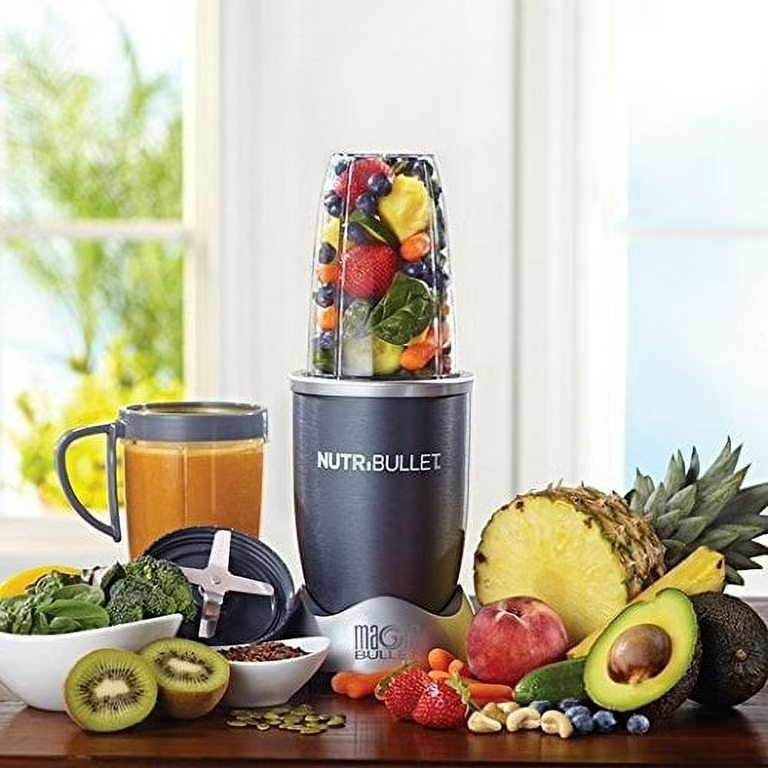
A common misconception is that you need a huge, bulky food processor for this job. While those work, a powerful personal blender is often the unsung hero, especially for smaller batches. The compact jar size can actually be an advantage, as it keeps the nuts in constant contact with the blades, preventing them from getting stuck on the sides of a larger container. For anyone who loves a fresh batch of nut butter without the commitment of making a gallon of it, the personal blender is your best friend.
Choosing the Right Blender for the Job
Not all blenders are created equal, especially when you’re asking them to perform the tough task of grinding nuts. If you want to master how to make nut butter with a blender, starting with the right tool is half the battle.
Power and Motor Speed: The Non-Negotiables
This is where the rubber meets the road. Grinding nuts requires sustained power. Look for a blender with a motor of at least 900-1200 watts. Anything less might struggle and overheat. It’s not just about peak power, but the ability to maintain speed without burning out. A robust motor ensures the blades can consistently chop and grind the nuts until they release their oils.
“I always tell my clients, don’t skimp on motor power. A strong motor is the difference between creamy, dreamy nut butter and a frustrating, chunky mess. It’s an investment in your health routine.” – Dr. Amelia Vance, Nutritionist
Blade Design and Jar Material
The blades are the workhorses. A well-designed blade assembly, typically with 4 to 6 prongs at multiple angles, creates a vortex that pulls the nuts down into the grinding zone. This ensures an even blend and reduces the number of times you have to stop and scrape down the sides. As for the jar, look for one made from BPA-free Tritan plastic. It’s incredibly durable, shatter-resistant, and won’t absorb odors or stains—perfect for switching between a peanut butter batch and your morning smoothie.
|
Our Picks for the Best Personal Blender in 2026
As an Amazon Associate, we earn from qualifying purchases.
|
||
| Num | Product | Action |
|---|---|---|
| 1 | KOIOS Smoothie Blender, 900W Personal Blender for Shakes and Smoothies for Kitchen with 2 No-BPA 22oz Portable Cups, Single Serve Smoothies Maker Mixer for Juices, Nutritious Recipe (Grey Blue) |

|
| 2 | Ninja Blenders for Kitchen | Smoothie Blender, Mixer, Grinder - Premium Blending Performance for Sauces, Frozen Drinks, and More | 1200 Peak Watt Motor | SS101 Foodi Personal Smoothie Maker |
|
| 3 | Consciot CB08 11-Piece Blender for Kitchen and Personal Size, Blend Shakes and Smoothies, Frozen Drinks, Baby Food, Spreads & More, 3 Portable To-Go Cups & 2 Spout Lids & 1 Solid Lid, 900 Peak Watts |
|
| 4 | BELLA Personal Size Rocket Blender for Smoothies and Protein Shakes, Portable Juice Maker and Mini Food Processor and Grinder, 12 Piece, BPA Free Accessories, 240 W, Stainless Steel |
|
| 5 | Hamilton Beach Portable Blender for Shakes and Smoothies, 14 Oz BPA Free Travel Cup & Lid, Durable Stainless Steel Blades, Personal Smoothie Blender, White ( 51101V) |
|
| 6 | Ninja BC151BK Blast Portable Blender, Cordless, 18oz. Vessel, Personal Blender-for Shakes & Smoothies, BPA Free, Leakproof-Lid & Sip Spout, USB-C Rechargeable, Dishwasher Safe Parts, Black |
|
| 7 | Ninja | Blender | Nutri Pro | Single Serve | For Smoothies, Salsa, Shakes and Frozen Drinks | Includes 2 Smoothie Cups & Lids | Crushes Ice, Fruit & Veggies |Silver | BN401 |
|
| 8 | Mueller Smoothie Blender for Smoothies - Personal Blender for Shakes, Frozen Drinks, Baby Food & More, 15oz Travel Cup and Lid, Durable Stainless Steel Blades for Powerful Blending Performance |
|
| 9 | nutribullet Personal Blender, Shakes, Smoothies, Food Prep, and Frozen Blending, 24 Ounces, 600 Watt, Gray, NBR-0601WM |
|
| 10 | Ninja BL660 Professional Compact Smoothie & Food Processing Blender, 1100-Watts, 3 Functions -for Frozen Drinks, Smoothies, Sauces, & More, 72-oz.* Pitcher, (2) 16-oz. To-Go Cups & Spout Lids, Gray |
|
Personal Blender vs. Traditional Blender: What’s the Difference?
This is a question we get all the time. Both can get the job done, but they serve different needs, especially for making nut butter.
| Feature | Personal Blender | Traditional Blender |
|---|---|---|
| Batch Size | Ideal for small batches (1-2 cups) | Better for large batches (4+ cups) |
| Efficiency | Narrow jar keeps nuts at the blades | May require more scraping |
| Cleaning | Super easy; smaller parts, often dishwasher safe | Can be cumbersome to clean |
| Storage | Compact, easy to store | Takes up significant counter space |
| Best For | Singles, couples, or trying new recipes | Large families or batch prepping |
For the everyday health enthusiast, the personal blender often hits the sweet spot of convenience and performance.
The Step-by-Step Guide: How to Make Nut Butter With a Blender
Ready to make some magic? Here’s the foolproof process. We’ll use almonds as an example, but this works for cashews, peanuts, pecans, or even sunflower seeds.
- Roast Your Nuts (The Pro Move): This step is optional but highly recommended. Roasting the nuts for 10-15 minutes at 350°F (175°C) not only deepens their flavor but also helps them release their oils more easily. Let them cool slightly before blending.
- Add Nuts to the Blender Jar: Start with 1.5 to 2 cups of your chosen nuts. Don’t overfill the jar; give the nuts room to move around.
- The Blending Stages – Be Patient: This is a marathon, not a sprint. Secure the lid and start blending on a medium-high speed. You will witness a fascinating transformation:
- Stage 1: Loud & Crumbly (0-1 min): The nuts will break down into a coarse, flour-like consistency. It will be very loud.
- Stage 2: The Pasty Ball (2-4 min): The mixture will clump together and form a thick, pasty ball that spins around the jar. You might be tempted to stop here. Don’t.
- Stage 3: Creamy Dream (5-10 min): Keep blending. You’ll need to stop and scrape down the sides a few times. Suddenly, the magic happens. The oils fully release, and the paste loosens into a smooth, creamy, and pourable nut butter.
- Customize Your Flavor: Once you’ve reached your desired consistency, it’s time to have fun. Add a pinch of salt, a teaspoon of maple syrup or honey for sweetness, or a dash of cinnamon or vanilla extract. Blend for another 30 seconds to incorporate.
- Store and Enjoy: Pour your fresh nut butter into an airtight container or glass jar. It will be warm and slightly runny from the friction of the blades, but it will thicken up as it cools in the refrigerator.
Creative Ways to Use Your Personal Blender – Beyond Smoothies
Once you’ve mastered nut butter, you’ll see your personal blender as a gateway to so much more. It’s a versatile tool for any healthy kitchen. You can whip up single-serving salad dressings, grind oats into flour for pancakes, or create delicious dips and sauces. This small appliance empowers you to experiment with fresh ingredients daily. For a deeper dive into modern blender wizardry, exploring some trending TikTok blender recipes can provide a ton of inspiration for quick and healthy meals. The same principles that make a great nut butter—power and efficiency—also apply when you’re making a zesty salsa recipe blender for taco night.
Tips for Cleaning and Maintaining Your Blender
A clean blender is a happy blender. The beauty of a personal blender is its ridiculously easy cleanup, which encourages you to use it more often.
- The 30-Second Clean: As soon as you’re done blending, rinse the jar and blade assembly with warm water.
- Add Soap and Water: Fill the jar about halfway with warm water and add a drop of dish soap.
- Blend It Clean: Screw the blade base back on and blend on high for 20-30 seconds. The soapy vortex will clean the blades and the inside of the jar.
- Rinse and Dry: Simply rinse everything with clean water and let it air dry.
- Deep Clean (Weekly): For a deeper clean, you can soak the parts in a vinegar-water solution to remove any mineral buildup and keep things fresh.
Frequently Asked Questions
Why is my nut butter not getting creamy?
Patience is key! This is the most common issue. It can take up to 10 minutes for the oils to fully release. Also, make sure you’re not using too few nuts; the blender needs enough volume to create friction. If you’re still stuck, a teaspoon of a neutral oil (like coconut or avocado) can help kickstart the process.
What are the best nuts to use for homemade nut butter?
Peanuts and cashews are fantastic for beginners as they have a high natural oil content and blend into a creamy consistency very quickly. Almonds are also a classic choice but may take a bit longer to break down.
Can I make nut butter without roasting the nuts?
Yes, you can make raw nut butter. However, the blending process will take significantly longer, and the final product will have a milder flavor and a slightly thicker, less smooth texture.
Do I have to add any oil?
For most nuts like peanuts, almonds, and cashews, you shouldn’t need to add any extra oil. Their natural fat content is sufficient. For drier nuts or seeds, a little bit of oil can help achieve a smoother texture.
How long does homemade nut butter last?
Since it doesn’t contain any preservatives, it won’t last as long as store-bought versions. Stored in an airtight container in the refrigerator, it should stay fresh for about 3-4 weeks.
Your Journey to Homemade Goodness Starts Now
Mastering how to make nut butter with a blender is more than just learning a new recipe; it’s a step toward a healthier, more intentional lifestyle. It’s about the satisfaction of creating something delicious from scratch and knowing exactly what’s in your food. With a reliable Personal Blender by your side, you’re not just making food; you’re investing in your well-being, one creamy, homemade batch at a time. So go ahead, grab your favorite nuts, and get ready to taste the difference.