Let’s be real for a moment. You want to live a healthier life. You see those vibrant, nutrient-packed smoothies on Instagram and think, “I can do that!” But then you look at your kitchen counter, and the thought of lugging out a giant, clunky blender for a single-serving drink feels like a Herculean task. If this sounds familiar, you’ve come to the right place. This in-depth Compact Smoothie Blender Review is designed to cut through the noise and help you find the perfect partner for your wellness journey. We’re not just talking about an appliance; we’re talking about a lifestyle upgrade, a small but mighty tool that makes healthy habits feel effortless, not like a chore.
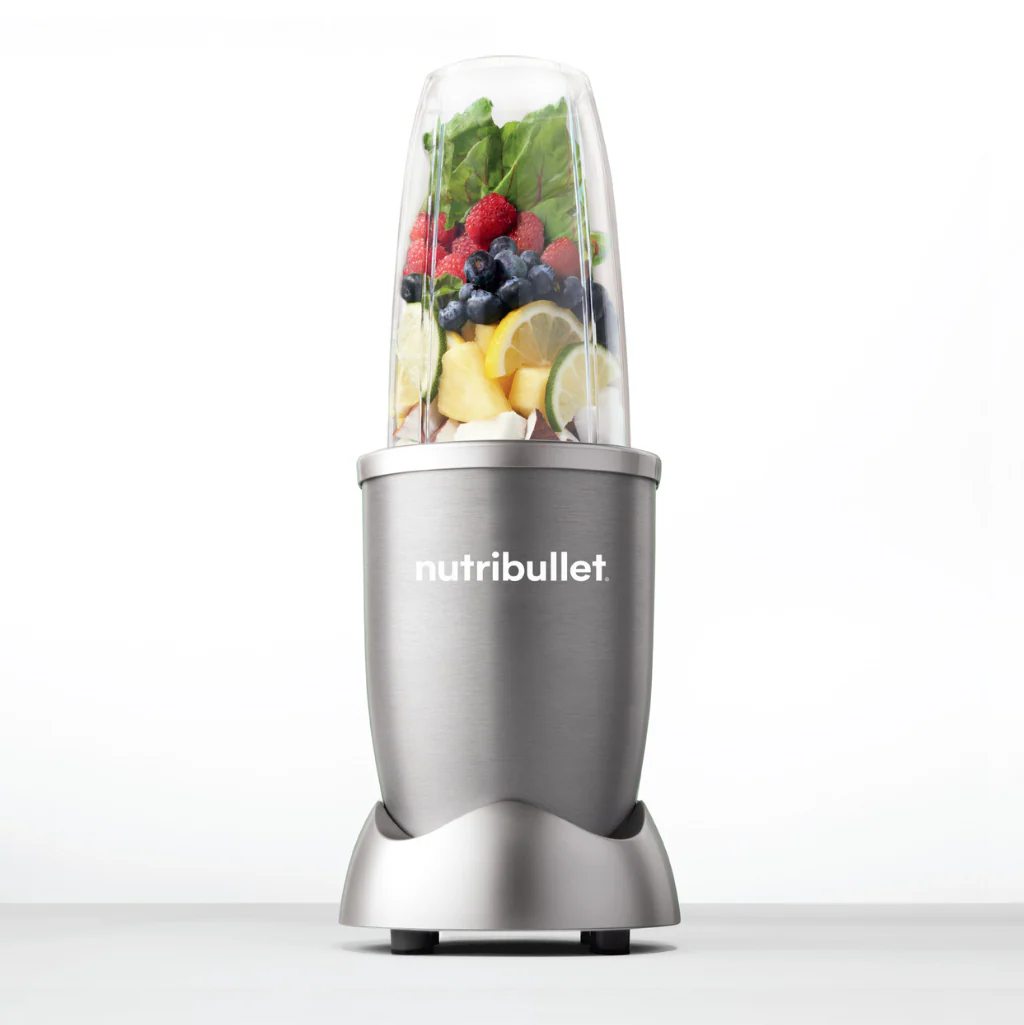
What is a Personal Blender and Who Is It For?
A personal blender, often called a compact or single-serve blender, is a small, streamlined appliance designed to blend ingredients directly in a portable cup. You simply fill the cup, screw on the blade attachment, blend, and then swap the blades for a drinking lid. It’s the epitome of “blend and go.”
So, who is this little powerhouse for? Honestly, almost everyone.
- The Busy Professional: You need a nutritious breakfast you can sip during your commute. A personal blender lets you whip up a smoothie in under a minute and take it with you.
- The Fitness Enthusiast: It’s the perfect tool for mixing post-workout protein shakes right at the gym or immediately when you get home, ensuring optimal muscle recovery.
- The Student in a Dorm: Limited space? No problem. These compact blenders take up minimal counter real estate and are easy to store.
- The New Parent: Need to quickly puree a small batch of baby food? A personal blender is far less hassle than a full-sized machine.
- Anyone with a Small Kitchen: If counter space is prime real estate in your home, a compact blender is a no-brainer.
Key Benefits of Using a Personal Blender
Switching to a personal blender isn’t just about saving space; it’s about reclaiming your time and simplifying your health routine.
- Unmatched Convenience: The blend-in-cup design means you have fewer dishes to wash. The entire process, from prep to cleanup, is incredibly fast.
- Perfect Portion Control: No more making a giant pitcher of smoothie that you can’t finish. Single-serving cups help you manage ingredient portions and reduce food waste.
- Easy Cleanup: Most personal blender cups and lids are dishwasher-safe. For a quick clean, just add a drop of soap and some water to the cup and give it a quick blend.
- Portability: These are designed for an on-the-go lifestyle. The secure travel lids mean you can toss your smoothie in your bag without worrying about spills.
Essential Features to Look for in a Compact Smoothie Blender Review
Not all compact blenders are created equal. When you’re reading any compact smoothie blender review, keep an eye out for these crucial features. They are the difference between a daily companion and a dust-collector in your cabinet.
Motor Power (Watts)
Power, measured in watts, determines what your blender can handle. Don’t be fooled by a tiny footprint; many compact blenders pack a serious punch.
- 250-400 Watts: Good for soft fruits, powders, and liquids. Perfect for basic protein shakes and simple fruit smoothies.
- 600-900 Watts: This is the sweet spot. A blender in this range can typically handle frozen fruit, nuts, seeds, and even tougher greens like kale without struggling.
- 1000+ Watts: These are the high-performance models that can pulverize just about anything, including ice and fibrous vegetables, into a silky-smooth consistency.
Blade Design and Material
The blades do the heavy lifting. Look for high-quality, stainless steel blades. Many models feature a cross-blade design (four prongs) or even a six-prong design for more efficient blending and nutrient extraction. The better the blade, the smoother your drink.
Blending Cup Material and Size
The cup is where the magic happens.
- Material: Always opt for cups made from BPA-free Tritan plastic. It’s durable, shatter-resistant, lightweight, and won’t leach harmful chemicals into your food. Some models offer glass jars, which are great but heavier and less portable.
- Size: Most personal blenders come with cups ranging from 12 oz to 32 oz. Consider your typical portion size. It’s often handy to have a couple of different sizes.
Ease of Use and Lids
Simplicity is the whole point. Look for intuitive, one-touch operation—either by pressing down on the cup or with a simple button. Also, check the lids. A good set should include at least one secure travel lid with a spout for easy sipping.
|
Our Picks for the Best Personal Blender in 2026
As an Amazon Associate, we earn from qualifying purchases.
|
||
| Num | Product | Action |
|---|---|---|
| 1 | Hamilton Beach Portable Blender for Shakes and Smoothies, 14 Oz BPA Free Travel Cup & Lid, Durable Stainless Steel Blades, Personal Smoothie Blender, White ( 51101V) |

|
| 2 | Ninja | Blender | Nutri Pro | Single Serve | For Smoothies, Salsa, Shakes and Frozen Drinks | Includes 2 Smoothie Cups & Lids | Crushes Ice, Fruit & Veggies |Silver | BN401 |
|
| 3 | nutribullet Personal Blender, Shakes, Smoothies, Food Prep, and Frozen Blending, 24 Ounces, 600 Watt, Gray, NBR-0601WM |
|
| 4 | KOIOS Smoothie Blender, 900W Personal Blender for Shakes and Smoothies for Kitchen with 2 No-BPA 22oz Portable Cups, Single Serve Smoothies Maker Mixer for Juices, Nutritious Recipe (Grey Blue) |
|
| 5 | BELLA Personal Size Rocket Blender for Smoothies and Protein Shakes, Portable Juice Maker and Mini Food Processor and Grinder, 12 Piece, BPA Free Accessories, 240 W, Stainless Steel |
|
| 6 | Ninja Blenders for Kitchen | Smoothie Blender, Mixer, Grinder - Premium Blending Performance for Sauces, Frozen Drinks, and More | 1200 Peak Watt Motor | SS101 Foodi Personal Smoothie Maker |
|
| 7 | Mueller Smoothie Blender for Smoothies - Personal Blender for Shakes, Frozen Drinks, Baby Food & More, 15oz Travel Cup and Lid, Durable Stainless Steel Blades for Powerful Blending Performance |
|
| 8 | Ninja BL660 Professional Compact Smoothie & Food Processing Blender, 1100-Watts, 3 Functions -for Frozen Drinks, Smoothies, Sauces, & More, 72-oz.* Pitcher, (2) 16-oz. To-Go Cups & Spout Lids, Gray |
|
| 9 | Ninja BC151BK Blast Portable Blender, Cordless, 18oz. Vessel, Personal Blender-for Shakes & Smoothies, BPA Free, Leakproof-Lid & Sip Spout, USB-C Rechargeable, Dishwasher Safe Parts, Black |
|
| 10 | Consciot CB08 11-Piece Blender for Kitchen and Personal Size, Blend Shakes and Smoothies, Frozen Drinks, Baby Food, Spreads & More, 3 Portable To-Go Cups & 2 Spout Lids & 1 Solid Lid, 900 Peak Watts |
|
Personal Blender vs. Traditional Blender: What’s the Difference?
Are you wondering if you should get a compact blender or stick with the classic countertop model? Let’s break it down.
| Feature | Personal Blender | Traditional Countertop Blender |
|---|---|---|
| Capacity | Single-serving (12-32 oz) | Large batches (48-64 oz or more) |
| Footprint | Very small, easy to store | Large, often a permanent fixture on the counter |
| Best For | Smoothies, protein shakes, salad dressings | Soups, sauces, frozen desserts, large families |
| Power | 250 – 1200 Watts | 1000 – 1800+ Watts |
| Cleanup | Extremely easy, often dishwasher-safe cups | More components to wash (pitcher, lid, tamper) |
| Portability | Excellent; blend in the cup you take with you | Not portable at all |
As a nutritionist, Dr. Alisha Carter, puts it: “A personal blender removes the friction between wanting to eat healthy and actually doing it. For my clients with busy schedules, it’s a non-negotiable tool for ensuring they get a nutrient-dense start to their day, every day.”
Creative Ways to Use Your Personal Blender – Beyond Smoothies
Your compact blender is more versatile than you think! Once you get comfortable with it, try expanding your repertoire.
- Salad Dressings & Vinaigrettes: Emulsify oil, vinegar, and herbs in seconds for a fresh, homemade dressing.
- Sauces and Dips: Whip up a quick pesto, hummus, or salsa for one.
- Grinding Small Batches: Pulse-grind coffee beans, flax seeds, or oats into flour.
- Pancake and Waffle Batter: Mix a single serving of batter right in the cup for a mess-free breakfast.
- Homemade Nut Milk: Blend a small handful of soaked almonds or cashews with water for fresh, single-serving nut milk.
Tips for Cleaning and Maintaining Your Compact Smoothie Blender
To keep your blender running smoothly for years, a little TLC goes a long way.
- The 30-Second Quick Clean: As soon as you’re done with your smoothie, rinse the cup and blades. Then, fill the cup halfway with warm water, add a drop of dish soap, screw the blades back on, and blend for 10-15 seconds. Rinse again, and you’re done!
- Deep Cleaning: For a more thorough clean, most cups, lids, and even blade assemblies are top-rack dishwasher safe (always check your manual!).
- Check the Gasket: The small rubber ring on the blade attachment can trap gunk. Gently remove it with a dull knife and wash it by hand periodically to prevent buildup and odors.
- Don’t Overfill: Respect the “Max Fill” line on your cup. Overfilling can put stress on the motor and cause leaks.
Frequently Asked Questions
Can a compact smoothie blender crush ice effectively?
Yes, many can! Look for models with at least 600 watts of power and sturdy, stainless-steel blades. While they might not turn a full cup of ice into snow like a high-end countertop blender, they are more than capable of pulverizing the ice cubes you’d typically add to a smoothie for a smooth, chilled drink.
What is the ideal wattage for a personal blender?
For most users, a motor between 600 and 900 watts is ideal. This provides enough power to handle frozen fruits, nuts, and fibrous greens without straining the motor, ensuring a smooth consistency and a longer lifespan for your appliance.
Are the blending cups usually dishwasher safe?
In most cases, yes. The BPA-free Tritan plastic cups and the lids are typically designed to be top-rack dishwasher safe. However, it’s always best to check the manufacturer’s instructions for your specific model to be certain.
Can I blend hot liquids in my personal blender?
Generally, no. Personal blenders are designed with sealed cups. Blending hot liquids creates steam and pressure that can build up inside the container, which can be dangerous. They are best used for cold or room-temperature ingredients.
How do I prevent my smoothie from being gritty?
To avoid a gritty texture, especially when using ingredients like kale, chia seeds, or flax seeds, try this trick: blend your greens and seeds with the liquid first for about 30 seconds before adding the rest of your ingredients. This gives the blades time to break them down completely.
The Final Blend
Choosing the right appliance is about more than just specs; it’s about finding a tool that seamlessly integrates into your life. A high-quality Personal Blender does just that. It’s a small investment that pays huge dividends in time, convenience, and most importantly, your health. We hope this compact smoothie blender review has empowered you with the knowledge to select a model that will become your trusted companion for quick, delicious, and nutritious creations. Now go on and blend your way to a better you.