Ever stood in your kitchen, staring at a clunky, oversized appliance and a tiny corner of free counter space, wondering if there’s a better way? You’re not alone. The great Portable Vs Countertop Blender Comparison is a real debate for anyone trying to blend a healthier lifestyle into a busy schedule. One promises raw, unbridled power, while the other offers freedom and convenience. So, which blending champion truly deserves a spot in your routine? Let’s break it down, ditch the jargon, and figure out which one is the perfect sidekick for your health journey.
What is a Personal Blender and Who Is It For?
A personal blender, often called a single-serve or portable blender, is exactly what it sounds like: a compact, streamlined appliance designed for one or two servings. It typically features a blending base and a detachable cup that doubles as a travel mug. Think of it less as a kitchen fixture and more as a grab-and-go health gadget.
So, who is this little powerhouse built for? It’s for you if you’ve ever:
- Rushed out the door in the morning, wishing you had time for a healthy breakfast.
- Wanted a fresh, post-workout protein shake right at the gym.
- Lived in a dorm room, a small apartment, or an RV where space is a luxury.
- Felt overwhelmed by cleaning a giant, multi-part traditional blender for a single smoothie.
- Needed a simple way to make baby food, salad dressings, or single-serving dips without the fuss.
In short, it’s for the busy professional, the dedicated gym-goer, the student, the frequent traveler, and anyone who values efficiency and convenience without compromising on their nutrition goals.
Key Benefits of Using a Personal Blender
Why has the personal blender become such a phenomenon? It boils down to a few game-changing benefits that align perfectly with modern life.
Unmatched Convenience and Portability
This is the personal blender’s superpower. Its small footprint saves precious counter space. Many models are cordless and rechargeable via USB, meaning you can literally blend anywhere—at your desk, in your car, or on a camping trip. The blend-and-go cup design means less washing up and a seamless transition from your kitchen to the rest of your day.
Perfect Portion Control
Making a smoothie in a huge countertop blender often leads to making way too much. A personal blender’s single-serving cup helps you manage ingredients and calories effectively. It’s a simple, built-in tool for mindful eating, ensuring you get just the right amount of nutrients every time.
Simplicity and Ease of Use
Forget complicated settings and a dozen buttons. Most personal blenders operate with a single button or a simple press-and-twist mechanism. This straightforward design makes them incredibly user-friendly, even for those who aren’t tech-savvy.
As a nutritionist, I often see clients struggle with consistency. Dr. Alisha Chen, a registered dietitian, notes, “A personal blender removes the friction from healthy eating. When making a nutritious smoothie is as easy as grabbing a bottle of water, people are far more likely to stick with it. It’s a game-changer for habit formation.”
Personal Blender vs. Traditional Blender: What’s the Difference?
This is the core of the portable vs countertop blender comparison. While both devices blend, they are designed for fundamentally different purposes and lifestyles. Let’s put them head-to-head.
| Feature | Personal & Portable Blender | Countertop Blender |
|---|---|---|
| Power | Typically 150 – 600 watts. Great for smoothies, protein shakes, and soft ingredients. | Typically 1000 – 1800+ watts. A powerhouse that can pulverize ice, nuts, and fibrous greens. |
| Capacity | 8 – 24 ounces (single-serve). | 48 – 72+ ounces (family-sized). |
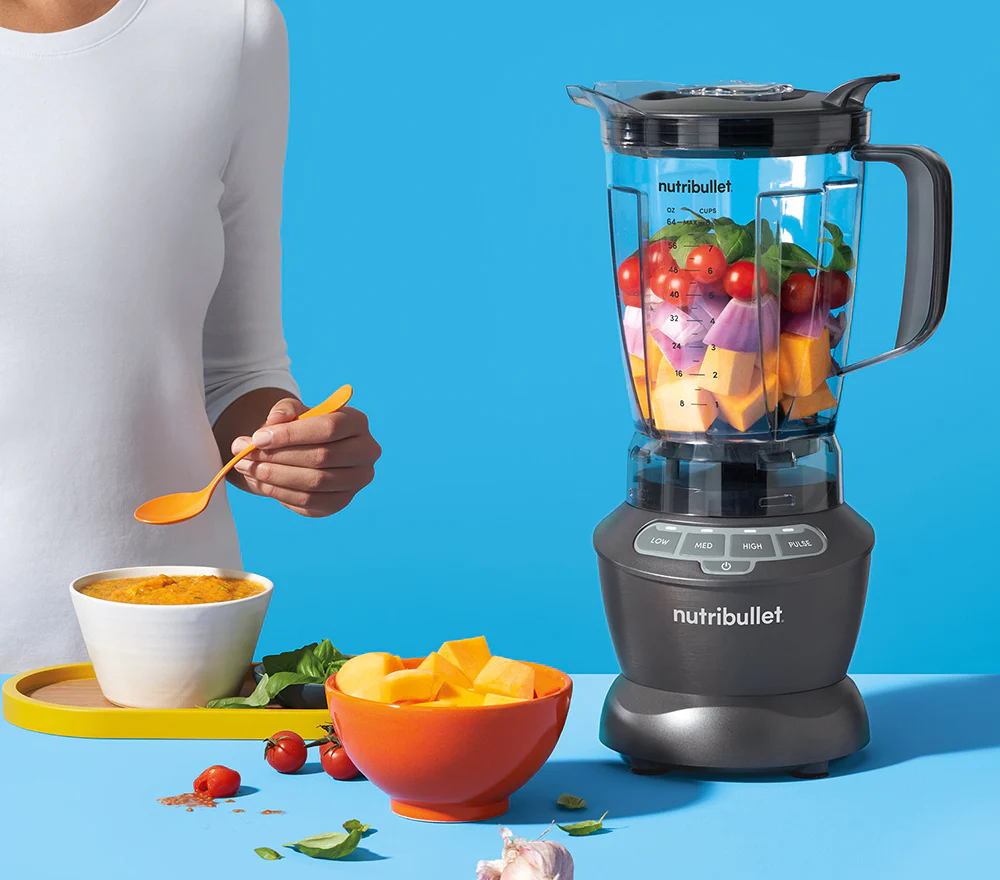
| Footprint | Compact and small. Easily stored in a cupboard or left on the counter. | Large and heavy. Requires dedicated counter space. |
| Portability | Excellent. Many are cordless and designed for travel. | Not portable at all. Requires a power outlet. |
| Versatility | Best for liquids and soft foods: smoothies, shakes, dressings, marinades. | Can handle anything: hot soups, nut butters, milling flour, crushing ice into snow. |
| Cleaning | Super easy. Usually just the blade and the cup. Many parts are dishwasher-safe. | More complex. Involves a large pitcher, lid, tamper, and base that need careful cleaning. |
| Cost | Generally more affordable. | A significant investment, with high-end models costing several hundred dollars. |
So, How Do You Choose?
The choice isn’t about which is “better” overall, but which is better for you.
- Choose a personal blender if: Your priority is speed, convenience, and on-the-go nutrition. You primarily make single-serving smoothies and shakes and have limited kitchen space.
- Choose a countertop blender if: You are a culinary enthusiast, cook for a family, or need to perform heavy-duty blending tasks like making nut butter, grinding grains, or blending hot soups. Power and versatility are your top concerns.
From my own experience, having both can be the ultimate solution. I use my countertop beast for weekend meal prep and big-batch sauces, but my personal blender is my daily workhorse for morning smoothies and quick salad dressings. It’s the one that comes with me on road trips and to the office.
Creative Ways to Use Your Personal Blender (Beyond Smoothies)
Think your personal blender is a one-trick pony? Think again! This little gadget is surprisingly versatile. Here are some ideas to get you started:
- Salad Dressings & Vinaigrettes: Ditch the store-bought stuff. Blend olive oil, vinegar, herbs, and a touch of mustard for a fresh, homemade dressing in seconds.
- Marinades and Sauces: Whip up a quick pesto, chimichurri, or a marinade for your chicken or tofu.
- Single-Serving Dips: Craving a quick snack? Blend a small batch of hummus or a creamy yogurt-based dip.
- Scrambled Eggs or Omelets: Add your eggs, a splash of milk, and seasonings to the blender cup. A quick pulse gives you perfectly fluffy, aerated eggs ready for the pan.
- Whipped Coffee (Dalgona): Yes, it can do that too! Blend instant coffee, sugar, and hot water until it’s light and frothy.
- Baby Food: For parents on the go, a portable blender is a lifesaver for making fresh, pureed baby food from steamed fruits and veggies anywhere.
Tips for Cleaning and Maintaining Your Portable Blender
To keep your trusty blending companion in top shape, a little TLC goes a long way. The good news? It’s incredibly simple.
- The 30-Second Clean: As soon as you’re done blending, rinse the cup and blade assembly. Then, fill the cup halfway with warm water, add a drop of dish soap, and blend for 15-20 seconds.
- Rinse and Dry: Pour out the soapy water, give it a final rinse, and let it air dry. That’s it for daily cleaning!
- Deep Clean Weekly: For a deeper clean, disassemble the blade from the cup (if your model allows). Wash them with warm, soapy water. Use a small brush to gently scrub around the blades and the rubber gasket to remove any residue.
- Charge Smart: If you have a rechargeable model, avoid letting the battery drain completely all the time. Charge it when it gets low to help prolong the battery’s lifespan.
- Check the Gasket: The small rubber ring or gasket on the blade assembly is crucial for preventing leaks. Check it periodically to ensure it’s clean and not cracked or worn out.
Frequently Asked Questions (FAQ)
Can a portable blender crush ice?
It depends on the model. Higher-powered personal blenders (around 300 watts and up) can handle a few small ice cubes or frozen fruit chunks, but they won’t turn a full cup of ice into a snow cone like a high-end countertop blender. For best results, use smaller ice cubes or crushed ice.
How powerful are personal blenders compared to countertop models?
There’s a significant power difference. Personal blenders are designed for efficiency with liquids and softer ingredients, typically running on 150-600 watts. Countertop blenders are built for raw power, starting around 1000 watts, allowing them to tackle tough tasks like grinding nuts into butter.
Is a portable blender worth it if I already have a countertop one?
Absolutely! Think of them as filling different needs. Your countertop blender is for heavy-duty, at-home culinary projects. Your portable blender is for daily convenience, travel, and quick, single servings. Owning one often means you’ll use a blender more frequently because the barrier to entry (and cleanup) is so much lower.
What’s the best material for a blender cup?
Look for cups made from BPA-free Tritan plastic. It’s a fantastic material because it’s lightweight, extremely durable, shatter-resistant, and won’t absorb odors or stains. Glass is an option but is much heavier and less practical for a portable device.
Can I blend hot liquids in a portable blender?
It is not recommended to blend hot liquids in most sealed personal blenders. The steam can build up pressure inside the small, sealed container, which can be dangerous. Always let hot ingredients cool to room temperature before blending. Countertop blenders often have vented lids specifically designed to handle hot liquids safely.
The Final Verdict
So, in the great portable vs countertop blender comparison, there’s no single winner—only the right choice for your life. The countertop blender remains the undisputed king of the kitchen for power and versatility. But the personal blender has revolutionized healthy eating on the go. It’s a powerful statement that your nutrition doesn’t have to be chained to your kitchen counter.
It empowers you to make healthy choices wherever life takes you. It’s more than an appliance; it’s a partner in your wellness journey. If convenience, simplicity, and portability are what you crave, then a Personal Blender isn’t just a good choice; it’s the only choice.