Ever stared at a pile of beautiful, fresh vegetables and dreamed of turning them into a silky-smooth soup, a vibrant sauce, or nutritious baby food? Learning how to puree vegetables with a blender is a foundational kitchen skill that unlocks a world of healthy, delicious possibilities. It might seem basic, but a few key techniques separate a lumpy, disappointing mess from a velvety, perfect puree. And spoiler alert: your trusty personal blender might just be the secret weapon you never knew you had for this very task. Let’s dive in and transform those veggies from solid to spectacular.
The Step-by-Step Guide to Perfect Vegetable Purees
Getting that perfect, smooth consistency is less about magic and more about method. Follow these simple steps, and you’ll be a pureeing pro in no time.
- Prep Your Veggies: First things first, wash and chop your vegetables. The goal here is uniformity. Cutting them into roughly equal, bite-sized pieces (about 1-inch cubes) ensures they all cook at the same rate. This is crucial for avoiding hard, unblended chunks later on.
- Cook ’em Soft: This is the most important step! With a few exceptions (like cucumbers for a chilled soup), you need to cook your vegetables until they are very tender. You should be able to easily pierce them with a fork with almost no resistance.
- Steaming: This is a fantastic method as it preserves the most nutrients and the vibrant color of your vegetables.
- Boiling: Simple and effective. Just be sure to drain the vegetables well afterward. Pro-tip: save some of that nutrient-rich cooking water to use in the next step!
- Roasting: Want to add a layer of deep, caramelized flavor? Roasting is the way to go. Vegetables like carrots, sweet potatoes, and butternut squash become incredibly sweet and delicious when roasted before pureeing.
- The Blender Phase: Now for the main event. Transfer your cooked, tender vegetables to the blender cup. Crucial rule: Do not fill the blender more than halfway, especially if the vegetables are hot. Hot foods expand when blended, which can create pressure and potentially pop the lid off, creating a dangerous mess.
- Add Liquid: You need some liquid to help the blades do their job and create a smooth vortex. Start with a small amount—about 1/4 cup of liquid for every 2-3 cups of vegetables. You can always add more if needed. Good liquid options include:
- The reserved cooking water (full of nutrients!)
- Broth (vegetable or chicken)
- Milk, cream, or a non-dairy alternative for a richer texture
- Plain water
- Blend Away! Secure the lid tightly. Start your blender on the lowest setting to get things moving, then gradually increase the speed to high. Blend for 30-60 seconds, or until you reach your desired consistency. If the mixture is too thick and the blades are struggling, stop the blender, add a little more liquid, and try again.
- Season and Serve: Once you have a perfectly smooth puree, it’s time to taste and season. Add salt, pepper, herbs, or spices to your liking. Your delicious, homemade vegetable puree is now ready to be enjoyed as a soup, sauce, or healthy side dish.
Why a Personal Blender Is Your Secret Weapon for Perfect Purees
When you think about how to puree vegetables with a blender, a giant, countertop model might come to mind. But for many modern kitchens and healthy lifestyles, the personal blender is often the superior choice.
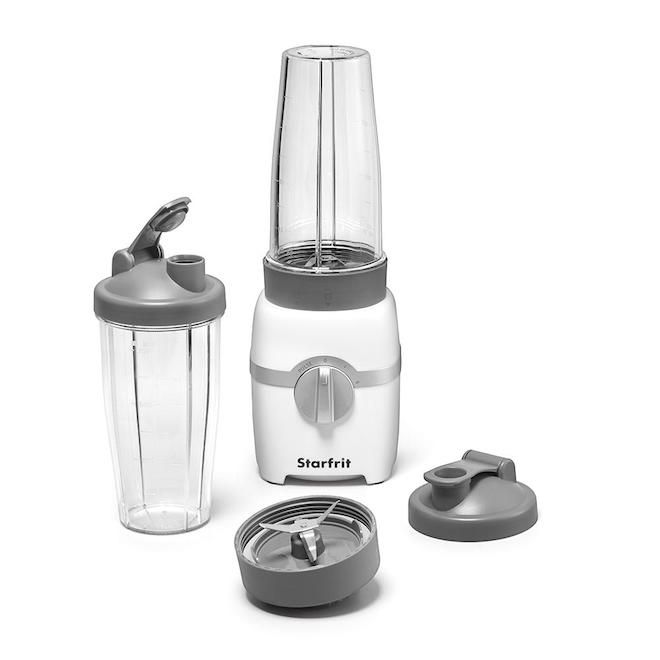
A personal blender is a compact, single-serving blending appliance designed for speed and convenience. It’s built for people on the go—gym enthusiasts, busy professionals, and parents who need quick, healthy solutions. Instead of a large pitcher, it uses a smaller cup that often doubles as a to-go container. But don’t let its size fool you; a high-quality personal blender packs a serious punch, making it more than capable of handling vegetable purees.
Key Benefits of Using a Personal Blender
- Perfect Portion Control: Making a small batch of butternut squash puree for a single dinner or a week’s worth of pea puree for a baby? A personal blender’s smaller cup size is ideal. You avoid the waste and hassle of using a large, bulky machine.
- Effortless Cleanup: Let’s be honest, nobody enjoys cleaning a massive blender pitcher. With a personal blender, the cup, blade assembly, and lid are all you have to worry about. Most are dishwasher-safe, making cleanup an absolute breeze.
- Space-Saving Design: For those living in apartments, dorms, or simply trying to declutter, a personal blender is a game-changer. Its small footprint won’t hog your valuable counter space.
- Nutrient Extraction: Modern personal blenders are engineered with powerful motors and sharp blade designs that pulverize vegetables, breaking down cell walls to unlock the maximum amount of vitamins and minerals.
Personal Blender vs. Traditional Blender: What’s the Difference?
So, how does a personal blender stack up against its bigger cousin for pureeing? The choice really depends on your needs.
| Feature | Personal Blender | Traditional Countertop Blender |
|---|---|---|
| Capacity | Ideal for single or double servings (8-24 oz) | Best for large batches and families (48-64 oz) |
| Power | Strong enough for most tasks (300-900 watts) | Generally more powerful (1000+ watts) |
| Footprint | Very small, easy to store | Bulky, often lives on the counter |
| Best For | Smoothies, single-serving purees, sauces, baby food | Large-batch soups, frozen cocktails, milling flour |
| Cleanup | Extremely fast and simple | More components, can be cumbersome |
As nutrition coach Diana Miller puts it, “I always recommend a personal blender to my clients. The biggest barrier to eating healthy is often convenience. When you can make a nutrient-dense vegetable sauce or puree in under five minutes with minimal cleanup, you’re far more likely to stick with it.”
Essential Features to Look For in a Blender for Pureeing
If you’re in the market for a blender specifically with pureeing in mind, here’s what to keep an eye on:
- A Powerful Motor: Look for a motor with at least 500 watts. This ensures it has enough muscle to break down fibrous vegetables like carrots or celery into a completely smooth liquid without straining.
- High-Quality Blades: Stainless steel blades are a must. A design with multiple prongs at different angles will create a better vortex, pulling the food down into the blades more efficiently for a faster, smoother blend.
- BPA-Free Materials: Since you’ll be blending food, often for yourself or your family, ensure that all plastic components, especially the blending cup, are certified BPA-free for peace of mind.
- Variable Speed Control: While many personal blenders are single-speed for simplicity, a model with at least a high and low setting gives you more control to start slow and ramp up, which is ideal for pureeing.
|
Our Picks for the Best Personal Blender in 2026
As an Amazon Associate, we earn from qualifying purchases.
|
||
| Num | Product | Action |
|---|---|---|
| 1 | Ninja Blenders for Kitchen | Smoothie Blender, Mixer, Grinder - Premium Blending Performance for Sauces, Frozen Drinks, and More | 1200 Peak Watt Motor | SS101 Foodi Personal Smoothie Maker |

|
| 2 | KOIOS Smoothie Blender, 900W Personal Blender for Shakes and Smoothies for Kitchen with 2 No-BPA 22oz Portable Cups, Single Serve Smoothies Maker Mixer for Juices, Nutritious Recipe (Grey Blue) |
|
| 3 | nutribullet Personal Blender, Shakes, Smoothies, Food Prep, and Frozen Blending, 24 Ounces, 600 Watt, Gray, NBR-0601WM |
|
| 4 | Hamilton Beach Portable Blender for Shakes and Smoothies, 14 Oz BPA Free Travel Cup & Lid, Durable Stainless Steel Blades, Personal Smoothie Blender, White ( 51101V) |
|
| 5 | Ninja BL660 Professional Compact Smoothie & Food Processing Blender, 1100-Watts, 3 Functions -for Frozen Drinks, Smoothies, Sauces, & More, 72-oz.* Pitcher, (2) 16-oz. To-Go Cups & Spout Lids, Gray |
|
| 6 | Ninja | Blender | Nutri Pro | Single Serve | For Smoothies, Salsa, Shakes and Frozen Drinks | Includes 2 Smoothie Cups & Lids | Crushes Ice, Fruit & Veggies |Silver | BN401 |
|
| 7 | Ninja BC151BK Blast Portable Blender, Cordless, 18oz. Vessel, Personal Blender-for Shakes & Smoothies, BPA Free, Leakproof-Lid & Sip Spout, USB-C Rechargeable, Dishwasher Safe Parts, Black |
|
| 8 | Mueller Smoothie Blender for Smoothies - Personal Blender for Shakes, Frozen Drinks, Baby Food & More, 15oz Travel Cup and Lid, Durable Stainless Steel Blades for Powerful Blending Performance |
|
| 9 | Consciot CB08 11-Piece Blender for Kitchen and Personal Size, Blend Shakes and Smoothies, Frozen Drinks, Baby Food, Spreads & More, 3 Portable To-Go Cups & 2 Spout Lids & 1 Solid Lid, 900 Peak Watts |
|
| 10 | BELLA Personal Size Rocket Blender for Smoothies and Protein Shakes, Portable Juice Maker and Mini Food Processor and Grinder, 12 Piece, BPA Free Accessories, 240 W, Stainless Steel |
|
Creative Ways to Use Your Vegetable Purees
Now that you know how to puree vegetables with a blender, what can you do with them? The possibilities are endless!
- Sneak in Nutrients: Add a spoonful of carrot or spinach puree to macaroni and cheese, pasta sauces, or meatballs. The kids will never know they’re eating extra veggies!
- As a Soup Base: A smooth vegetable puree is the perfect foundation for a creamy soup. Just thin it out with some broth, season, and heat.
- Healthy Sauces: Use a cauliflower puree as a healthy alternative to a cream-based Alfredo sauce. A red pepper puree makes a vibrant and flavorful sauce for chicken or fish.
- DIY Baby Food: Control exactly what goes into your baby’s food. Puree steamed peas, sweet potatoes, or carrots for a simple, healthy, and affordable option.
- Vibrant Dips and Spreads: Blend roasted beets with tahini for a stunning pink hummus, or puree avocado with lime and cilantro for a creamy sandwich spread. Creating different textures is a core skill when using a blender. For example, a similar technique of pulsing instead of continuous blending is essential for a great salsa recipe blender to avoid a watery result.
Tips for Cleaning and Maintaining Your Blender
Keeping your blender in top shape is easy and ensures it’s always ready for your next culinary creation.
- Immediate Rinse: The moment you’re done blending, rinse the cup and blade assembly under hot water. This prevents any food particles from drying and sticking.
- The Soap Trick: For a deeper clean, fill the blender cup halfway with warm water and add a drop of dish soap.
- Blend Clean: Attach the blade assembly, put it on the blender base, and blend for about 20-30 seconds. The soapy water will clean the blades and the inside of the cup.
- Final Rinse and Dry: Pour out the soapy water, give everything a final rinse with clean water, and let it air dry completely before reassembling. This prevents mildew and odors.
Frequently Asked Questions
Can I puree raw vegetables in a blender?
You can, but it’s generally not recommended for most vegetables. Blending raw, hard vegetables like carrots or potatoes will result in a gritty, unpleasant texture and can be very hard on your blender’s motor. It’s always best to cook them until tender first.
What is the best liquid to use when pureeing vegetables?
The best liquid depends on what you’re making. For the most flavor and nutrients, use the water you cooked the vegetables in. Broth adds savory depth, perfect for soups and sauces. Milk or cream will make your puree richer and creamier.
How do I fix a puree that is too thin or too thick?
If your puree is too thin, you can thicken it by adding more cooked vegetables or a thickening agent like a small, cooked potato. You can also simmer it gently on the stove to allow some excess water to evaporate. If it’s too thick, simply add more liquid (broth, water, etc.) a tablespoon at a time and blend until you reach the right consistency.
Can I freeze vegetable purees?
Absolutely! Freezing purees is a fantastic way to meal prep. A great method is to pour the puree into ice cube trays. Once frozen, pop the cubes out and store them in a freezer bag. This gives you perfectly portioned amounts to add to future meals.
How do I get my puree extra smooth?
For an ultra-silky puree, the key is to blend it for a little longer than you think you need to. Let the blender run on high for a full minute or two. For a truly professional, velvety finish, you can also pass the puree through a fine-mesh sieve after blending to catch any tiny remaining fibers.
Your Journey to Smoother, Healthier Meals
Mastering how to puree vegetables with a blender is more than just learning a cooking technique; it’s about empowering yourself to create healthier, more flavorful meals with ease. Whether you’re whipping up a quick post-workout soup in your Personal Blender or preparing a week’s worth of baby food, this simple skill opens up a new chapter in your culinary journey. So go ahead, embrace the blend, and turn those humble vegetables into something truly special.